
Outer hip pain when walking can involve the tendons and muscles that stabilize the hip, the surrounding soft tissues, or the hip joint itself. One possible cause is greater trochanteric pain syndrome, which commonly produces aching or tenderness along the outside of the hip. The location and behavior of the pain help determine what needs to be evaluated.
Why Does the Outside of My Hip Hurt When I Walk?
The outside of your hip contains several important muscles and tendons that help stabilize your pelvis as you walk. With every step, these structures help keep your body balanced while transferring weight from one leg to the other.
When the tissues around the outside of the hip become irritated or overloaded, walking can make the discomfort more noticeable. Some people describe a deep ache over the bony area on the side of the hip. Others feel pain that travels down the outside of the upper thigh toward the knee.
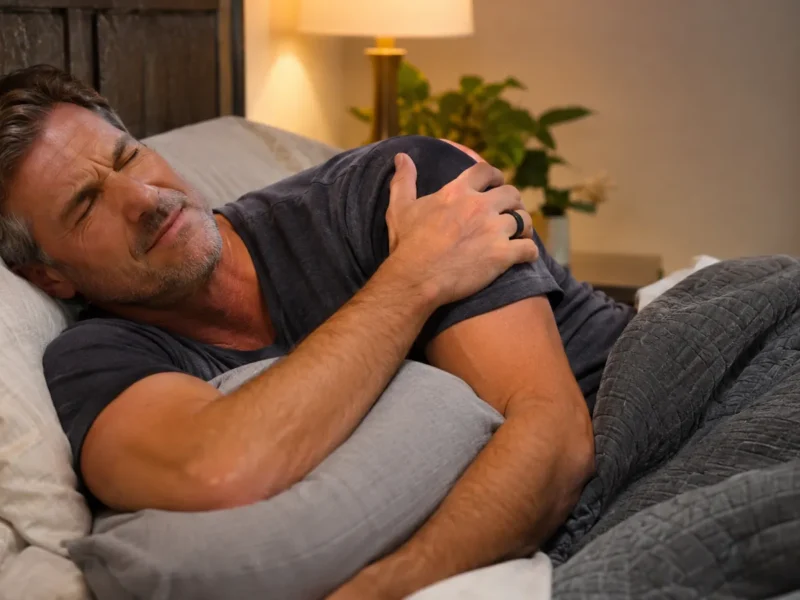
The discomfort may become worse when climbing stairs, standing on one leg, getting out of a chair, or lying on the affected side. It may begin gradually or follow a change in exercise, activity, or the amount of time spent standing and walking.
Although these symptoms can suggest a problem involving the outer hip, they do not establish a diagnosis. Other conditions involving the hip joint or lower back can produce similar symptoms.
What Is Greater Trochanteric Pain Syndrome?
Greater trochanteric pain syndrome, often shortened to GTPS, is a term used for several problems involving the soft tissues around the outside of the hip. These can include irritation or injury involving the gluteus medius and gluteus minimus tendons, as well as irritation of nearby bursae.
The greater trochanter is the prominent bony area on the outside of the upper thigh bone. Several muscles and tendons attach around this region and help stabilize the pelvis during walking and other weight-bearing activities.
GTPS commonly causes tenderness over the outside of the hip. Pain may increase with walking, climbing stairs, prolonged standing, or lying directly on the affected side. Some people also notice discomfort when getting out of a car or standing after sitting for a while.
It is worth understanding that outer hip pain is not automatically bursitis. Gluteal tendon problems are also important causes, and several structures can be involved at the same time. The MedlinePlus guide to greater trochanteric pain syndrome explains common symptoms and evaluation considerations.
Could My Outer Hip Pain Be Coming From My Lower Back?
Yes. The hip and lower back work together during standing, walking, and other everyday movements. Sometimes pain felt around the hip or buttock is referred from the lumbar spine rather than originating in the hip itself.
When nerves in the lower back become irritated, symptoms may extend into the buttock, hip, or leg. Some people also notice tingling, numbness, burning, or weakness. Pain that travels below the knee or changes with certain back movements may make it especially important to evaluate the lumbar spine.
Hip joint conditions can create another pattern. Pain originating inside the joint is often felt toward the front of the hip or groin, and may be accompanied by stiffness or reduced movement. These symptoms can overlap with other conditions, so the location of pain is only one part of the evaluation.
This is why looking only at the spot that hurts can miss important information. The hip, pelvis, and lower back may all need to be considered to understand what is contributing to the discomfort.
What Can Make Pain on the Outside of the Hip Worse?
Activities that repeatedly load or compress the tissues around the outer hip may aggravate symptoms. Walking longer distances, climbing hills or stairs, running, and standing with most of your weight resting on one leg can increase the demands placed on these structures.
Sleeping directly on the painful side may also increase pressure around the greater trochanter. Some people find it more comfortable to sleep on their back or on the opposite side with a pillow between their knees.
Crossing your legs or standing with one hip pushed outward may also increase compression around the outer hip. If these positions reproduce your symptoms, changing them may help reduce unnecessary irritation.
When discomfort is mild and there are no warning signs, consider temporarily reducing activities that clearly aggravate it. Avoid forcing painful stretches or pushing through worsening symptoms. Comfortable movement is generally preferable to completely stopping all activity without a medical reason.
When Should I Have Outer Hip Pain Evaluated?
If pain keeps returning, affects the way you walk, interrupts your sleep, or limits your normal activities, an evaluation can help determine what is causing it. Persistent symptoms should not automatically be attributed to bursitis or a simple muscle strain.
Seek urgent medical attention if severe hip pain follows a fall or injury, if you cannot bear weight on the affected leg, or if the hip becomes hot and swollen with fever or feeling unwell. Sudden severe pain or significant loss of movement also deserves prompt medical assessment.
New or progressive weakness, significant numbness, or symptoms extending down the leg should also be evaluated. New loss of bladder or bowel control or numbness around the groin or saddle area with back or leg symptoms requires emergency medical care.
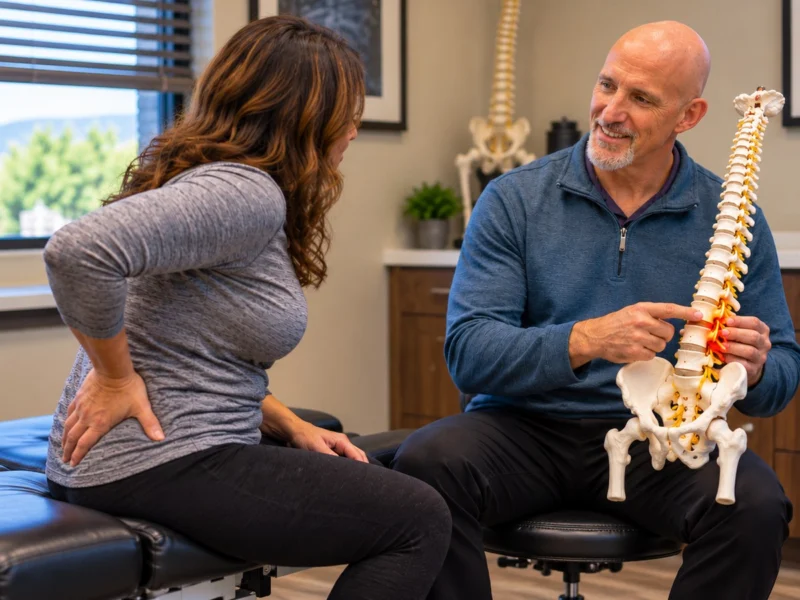
At Scott Chiropractic in Knoxville, Dr. Jon Scott evaluates hip-related complaints by considering the hip joint, pelvis, lower back, movement, and the patient’s history. The examination helps determine whether joint restriction, pelvic mechanics, spinal involvement, or another issue may be contributing to the symptoms.
Patients who come into my office with lateral hip pain commonly describe significant tenderness when touching the outside of the hip. The discomfort is often located directly over the outer portion of the hip and may extend into the gluteal region or travel down the outside of the leg.
During my examination, I evaluate hip range of motion to identify any restrictions or movements that reproduce the patient’s pain. I also assess pelvic movement and evaluate whether these areas contribute to the symptoms the patient is experiencing.
Based on my examinations, I often find that more than one area is contributing to the problem. This commonly involves the hip and pelvis, and sometimes the lumbar spine as well. Regardless of where the problem originally started, addressing all the contributing areas may be necessary to achieve the best possible outcome in the most efficient manner.
Chiropractic care is not the appropriate treatment for every tendon, joint, or hip condition. When examination findings indicate that a patient needs orthopedic, medical, or other specialized care, referral is an important part of responsible treatment. You can learn more about hip pain evaluation and care at Scott Chiropractic.
If pain along the outside of your hip is changing the way you walk, call Scott Chiropractic at (865) 693-1911 to discuss an evaluation. The $45 first visit includes a consultation, examination, and X-rays if clinically necessary. The first adjustment is a separate follow-up visit.