Spinal traction and decompression therapy in Knoxville, TN for lower back and neck problems. Dr. Jon Scott first identifies what is causing your symptoms, then determines whether mechanical traction is an appropriate part of your care plan.
Persistent neck pain or stiffness, especially when working or driving
Pain, numbness, or tingling traveling into your shoulders, arms, or hands
Weakness in your arms or hands
Neck symptoms that haven't improved with previous conservative treatments
A diagnosis of a cervical disc problem or recommendations for injections or surgery
How it works
What is spinal traction and decompression therapy?
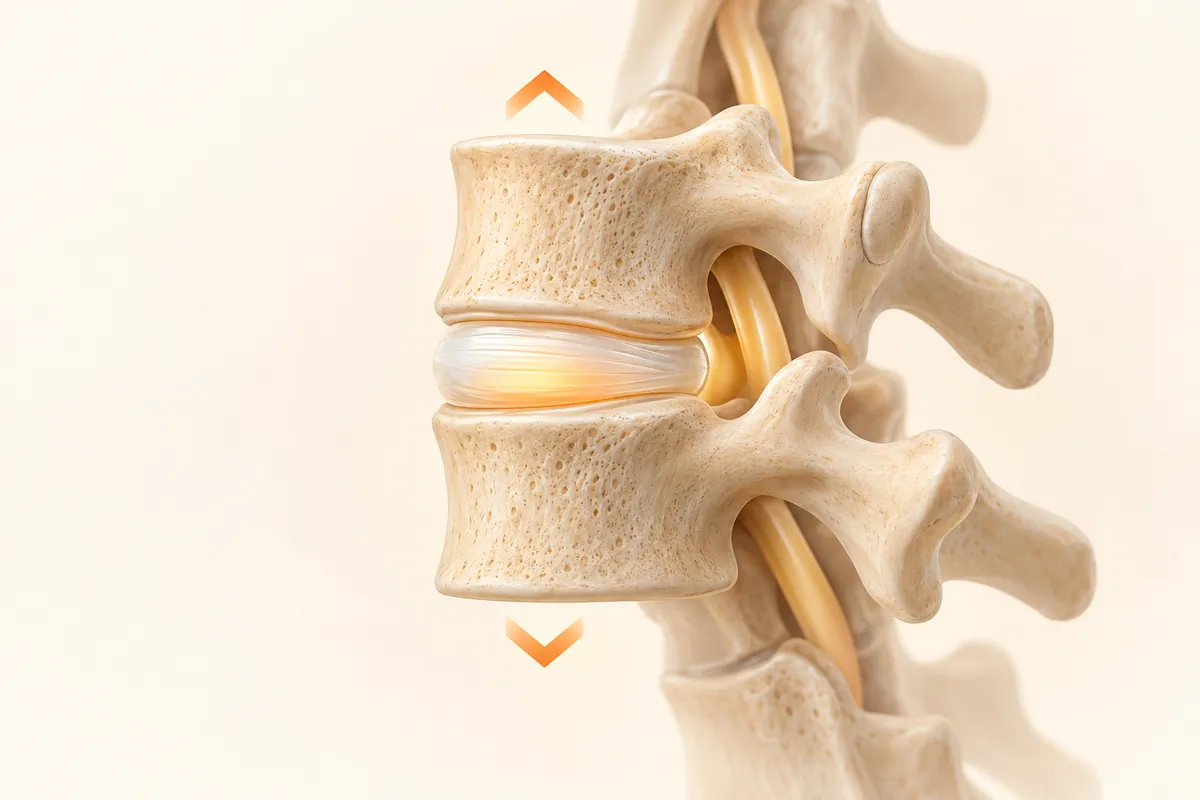
Spinal traction is a therapeutic procedure that applies a controlled pulling force to the spine. The purpose is to create separation, or distraction, between selected spinal structures and temporarily reduce the compressive forces acting on them.
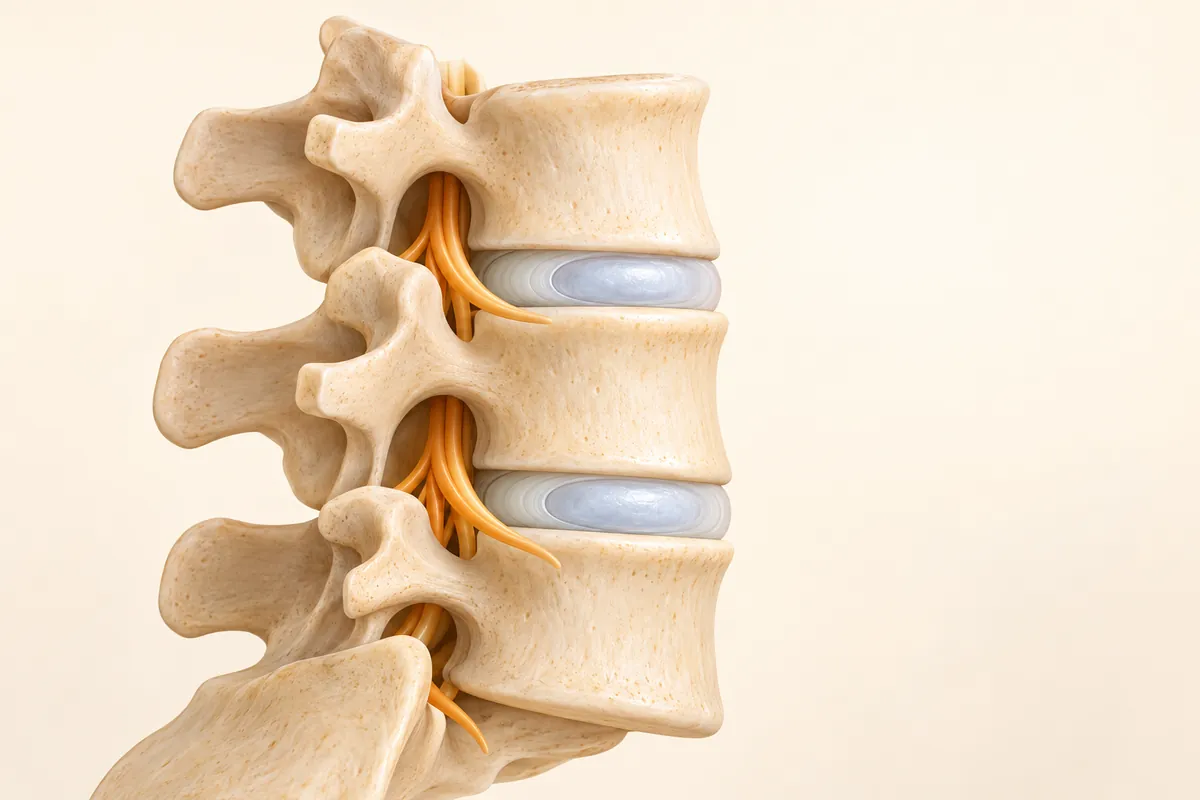
The vertebrae are separated by intervertebral discs that function as cushions between the bones. These discs help absorb mechanical stress and allow the spine to move. When discs become damaged, degenerated, or displaced, surrounding structures and nearby nerve roots may become irritated. This can contribute to back pain, neck pain, radiating symptoms, numbness, and tingling. Mechanical traction attempts to change the loading conditions around these structures by applying a controlled pulling force.
The terms spinal traction and spinal decompression are often used interchangeably. However, not all traction equipment delivers the same type of treatment. The system at Scott Chiropractic uses mechanical traction to create controlled distraction of the spine. The objective is to improve mechanical conditions around affected spinal structures and help reduce symptoms when traction is appropriate for the patient’s condition.
How does the traction/decompression unit work?
The system is designed to deliver controlled mechanical traction for cervical and lumbar applications. Unlike manually applied traction, the system provides consistent pulling forces through a mechanical traction mechanism. The treatment can be delivered using several different traction patterns:
Static traction applies a relatively constant pulling force for a selected period. The goal is to maintain spinal distraction and reduce compressive loading during the treatment.
Intermittent traction alternates between periods of pulling and reduced tension. This allows spinal structures to experience repeated cycles of loading and unloading.
Cyclic traction uses changing levels of traction force, including progressive and regressive phases. The pulling force gradually increases or decreases during the treatment.
The appropriate traction approach depends on the patient’s condition, examination findings, tolerance, and treatment objectives.
Benefits
Less compression
Traction may help reduce mechanical compression between selected spinal structures.
More space between vertebrae
Traction may temporarily increase the separation between vertebrae.
Less load on irritated joints
Traction may help reduce loading on irritated spinal joints.
Changed disc pressure
Traction may help change pressure conditions within intervertebral discs.
Less nerve-root irritation
Traction may help reduce mechanical irritation around certain nerve roots.
Easier daily movement
Traction may help improve tolerance for movement and daily activities, and may provide relief from certain types of radiating pain.
A conservative approach to disc problems, sciatica, and radiating nerve pain
Back pain, neck pain, and symptoms traveling into the arms or legs can interfere with nearly every part of your life. Whether you’re struggling to sit, stand, walk, sleep, or enjoy the activities you once took for granted, finding the underlying cause is the first step toward making meaningful progress.
At Scott Chiropractic in Knoxville, Tennessee, Dr. Jon Scott takes a corrective approach to chiropractic care. Rather than simply chasing symptoms, the goal is to identify what is contributing to your problem, understand how it affects your spinal function, and determine which treatment options are appropriate. One treatment option that may be incorporated into a comprehensive care plan is mechanical spinal traction. This system provides controlled spinal traction designed to gently distract spinal structures, reduce mechanical loading, and potentially relieve pressure on irritated joints, discs, and nerve roots.
New patients: start with our $29 new-patient special — a consultation, exam and X-rays if needed, so Dr. Scott can find out whether decompression is right for you. Call (865) 693-1911.
The intervertebral discs cushion the vertebrae; nearby nerve roots can become irritated when a disc is damaged.
How can spinal traction help?
The purpose of mechanical traction is to change the forces acting on the spine and surrounding structures. Traction may also help relax surrounding muscles when muscle guarding is contributing to discomfort.
It is important to understand that traction does not guarantee that a herniated disc will return to its original position or that a degenerating disc will regenerate. Its purpose is to create more favorable mechanical conditions and potentially improve symptoms and function. Results vary depending on the condition being treated, its severity, and the patient’s overall health.
Controlled traction gently separates the vertebrae to reduce the load on the disc.
Conditions that may benefit from spinal traction
Not every back or neck problem responds to traction. Identifying the underlying condition is essential before determining whether this treatment is appropriate. At Scott Chiropractic, the following conditions may warrant an evaluation for mechanical traction.
Bulging and herniated discs
Intervertebral discs can develop weaknesses, bulges, or herniations that may irritate nearby nerve roots. When a disc problem contributes to lower back or neck pain, patients may experience pain that travels into an arm or leg, along with numbness, tingling, or weakness. Mechanical traction may help reduce loading around selected spinal segments and may provide symptom relief in appropriately selected patients.
Sciatica
Sciatica describes symptoms involving irritation of the sciatic nerve or its contributing nerve roots. Patients commonly experience pain beginning in the lower back or buttock and extending into the back or side of the leg. Some patients also experience tingling, numbness, or weakness. Disc-related nerve-root irritation is one possible cause, but hip-related conditions and other problems can produce similar symptoms. Identifying the actual source of the leg pain is essential before recommending traction.
Lumbar radiculopathy
Lumbar radiculopathy occurs when a nerve root in the lower back becomes irritated or compressed. Symptoms may include:
Shooting pain into the leg.
Numbness or tingling.
Muscle weakness.
Changes in sensation.
Pain associated with certain spinal positions or movements.
When examination findings suggest that mechanical compression is contributing to the nerve irritation, traction may be considered as part of a broader treatment approach.
Degenerative disc disease
As we age, spinal discs can lose some of their normal structure, hydration, and ability to distribute mechanical loads. This process may contribute to reduced disc height, stiffness, and irritation of surrounding spinal structures. Traction may temporarily change the loading conditions around affected spinal segments and help some patients manage associated symptoms.
Facet joint syndrome
Facet joints are small joints located along the back of the spine. They help guide and control spinal movement. These joints can become irritated through degenerative changes, repetitive stress, or mechanical loading. Depending on the patient’s examination findings, traction may be considered to reduce loading on affected joints and improve movement tolerance.
Spinal stenosis
Spinal stenosis describes narrowing of the spaces through which spinal nerves or the spinal cord travel. Depending on its location and severity, it can produce back pain, leg pain, numbness, weakness, and difficulty walking. Some patients tolerate positions that reduce spinal loading better than others. Traction may be considered selectively, but it is not appropriate for every type of stenosis.
Failed back surgery syndrome
Some patients continue to experience back pain or radiating symptoms following spinal surgery. Previous surgery does not automatically mean that conservative care is no longer an option. However, the type of surgery, healing status, spinal stability, and current symptoms must be carefully evaluated before considering traction. Patients with spinal fusion or other surgical procedures require individualized medical assessment and clearance when appropriate.
Cervical traction for neck pain and arm symptoms
Mechanical traction can also be used for selected cervical spine conditions. The cervical spine contains seven vertebrae that support the head and protect important neural structures. Disc degeneration, disc herniation, joint irritation, and narrowing around nerve roots may contribute to neck pain and symptoms extending into the shoulders, arms, and hands. When cervical nerve-root irritation is suspected, appropriately selected cervical traction may help reduce mechanical loading and improve symptoms.
Patients being evaluated for cervical traction may report:
Persistent neck pain.
Neck stiffness.
Pain traveling into the shoulder or arm.
Numbness or tingling in the hands or fingers.
Symptoms associated with cervical radiculopathy.
Headaches and other neck-related symptoms also warrant evaluation, although traction is not automatically appropriate for every headache or neck condition.
Who should not receive spinal traction?
Patient selection is extremely important. Mechanical traction is not appropriate for everyone. There are several contraindications, including:
Spinal instability.
Structural disease associated with tumors or infection.
Vascular compromise.
Conditions where movement is contraindicated.
Acute strains, sprains, or inflammation that could be aggravated by traction.
Osteoporosis.
Pregnancy.
Hiatal hernia.
Claustrophobia.
Additional conditions requiring particular caution or medical evaluation include:
Suspected or confirmed spinal fractures.
Advanced osteoporosis.
Abdominal aortic aneurysm.
Recent spinal surgery or spinal fusion.
Unhealed surgical sites.
Significant or progressive neurological deficits.
Patients with recent spinal surgery, including spinal fusion, should not begin traction simply because a certain amount of time has passed. Their surgical history and spinal stability must be evaluated.
Patients experiencing progressive muscle weakness, new bowel or bladder dysfunction, or numbness in the saddle region require prompt medical evaluation rather than routine traction treatment.
A thorough history and examination are necessary to determine whether traction is appropriate.
Why proper evaluation matters
At Scott Chiropractic, we believe that good care begins with understanding what is happening, not simply selecting a treatment because a patient has pain. Two patients can experience nearly identical symptoms but have very different underlying conditions. For example, pain traveling down the leg may result from a lumbar disc problem, nerve-root irritation, spinal stenosis, or a condition involving the hip and surrounding muscles. These conditions do not necessarily respond to the same treatment.
Dr. Jon Scott emphasizes identifying the underlying problem through an appropriate consultation and examination. Depending on the patient’s presentation, this may include:
Review of medical history and previous injuries.
Orthopedic and neurological testing.
Spinal range-of-motion assessment.
Postural analysis.
Digital X-rays when clinically indicated.
Review of previous imaging and medical evaluations when available.
When additional imaging or medical evaluation is necessary, appropriate referrals may be recommended. Once the underlying condition is better understood, Dr. Scott can determine whether mechanical traction should be included in an individualized care plan.
A comprehensive approach to corrective chiropractic care in Knoxville
Spinal traction is not intended to replace a complete evaluation or serve as a standalone solution for every spinal condition. At Scott Chiropractic, treatment recommendations are based on the patient’s examination findings, structural concerns, symptoms, and functional goals. Depending on the individual, a comprehensive approach may incorporate corrective chiropractic adjustments, postural retraining, appropriate therapeutic exercises, and lifestyle recommendations.
The objective is to improve function, address contributing mechanical problems, and help patients return to the activities that matter to them. We test, we don’t guess.
Looking for spinal traction or decompression therapy in Knoxville, TN?
If you’re dealing with persistent lower back pain, sciatica, a diagnosed disc problem, neck pain, or symptoms traveling into your arms or legs, the first step is finding out what is actually causing the problem. At Scott Chiropractic, Dr. Jon Scott takes the time to evaluate your condition, explain his findings, and determine whether corrective chiropractic care and mechanical spinal traction may be appropriate. You deserve to understand what is happening in your spine and what options are available to help.
Find the cause. Fix the cause. Rebuild your life. Schedule a consultation and find out what is really going on.
New patients: start with our $29 new-patient special — a consultation, exam and X-rays if needed, so Dr. Scott can find out whether decompression is right for you. Call (865) 693-1911.
Frequently asked questions
Is decompression therapy painful?
Not at all. Decompression therapy is designed to be gentle and comfortable. You’ll feel a controlled stretching sensation as the spine is gently unloaded. The pulling force is adjusted to your comfort level throughout the session.
We monitor your response closely to make sure you feel comfortable. If anything doesn’t feel right, simply let us know and we’ll make the necessary adjustments. Our goal is to make your treatment a positive, comfortable experience.
Does insurance cover decompression?
No. Health insurance companies do not cover spinal decompression therapy. We offer several payment options and can discuss a payment plan if needed.
We’ll explain all costs associated with your recommended care plan before treatment begins. For current fees and payment information, call us at (865) 693-1911.
What happens during my spinal decompression treatment sessions?
You’ll lie comfortably on the decompression table while our team positions you and secures the appropriate supports. The machine then applies a gentle, controlled pulling force in cycles of stretching and relaxation to help unload the spine.
Your comfort is monitored throughout the session, and adjustments can be made as needed. Our goal is to make your treatment comfortable while delivering the appropriate traction for your individual condition.
How many sessions will I need?
The number of treatments depends on your examination findings, the severity of your condition, and how your body responds to care. Dr. Scott will recommend an individualized treatment plan and monitor your progress along the way. We’ll regularly reassess your results to determine whether to continue, modify, or discontinue treatment.
What health information should I share before treatment?
Please tell us about any medical conditions, medications, pregnancy, previous spinal surgeries, or implanted hardware. Bring any relevant imaging reports or medical records to your evaluation.
This information, along with your examination findings, helps Dr. Scott determine whether spinal decompression is appropriate and safe for your individual condition.
How do you determine whether spinal decompression is right for me?
Dr. Jon Scott reviews your symptoms, health history, examination findings, and any available imaging to determine whether spinal decompression is appropriate for you. A disc diagnosis alone doesn’t determine whether you’re a good candidate.
We explain our findings, discuss your treatment options, and develop recommendations based on your individual condition. If you’ve had previous spinal surgery, we’ll consider that history and coordinate with your surgeon or another healthcare provider when appropriate.
Your solution to pain.
We test, we don't guess. Book your first visit today — new patient special $29.
Consultation, exam and X-rays if needed with Dr. Jon Scott, DC.
Calling is the fastest way in — we often have openings sooner than online scheduling shows.