Our approach
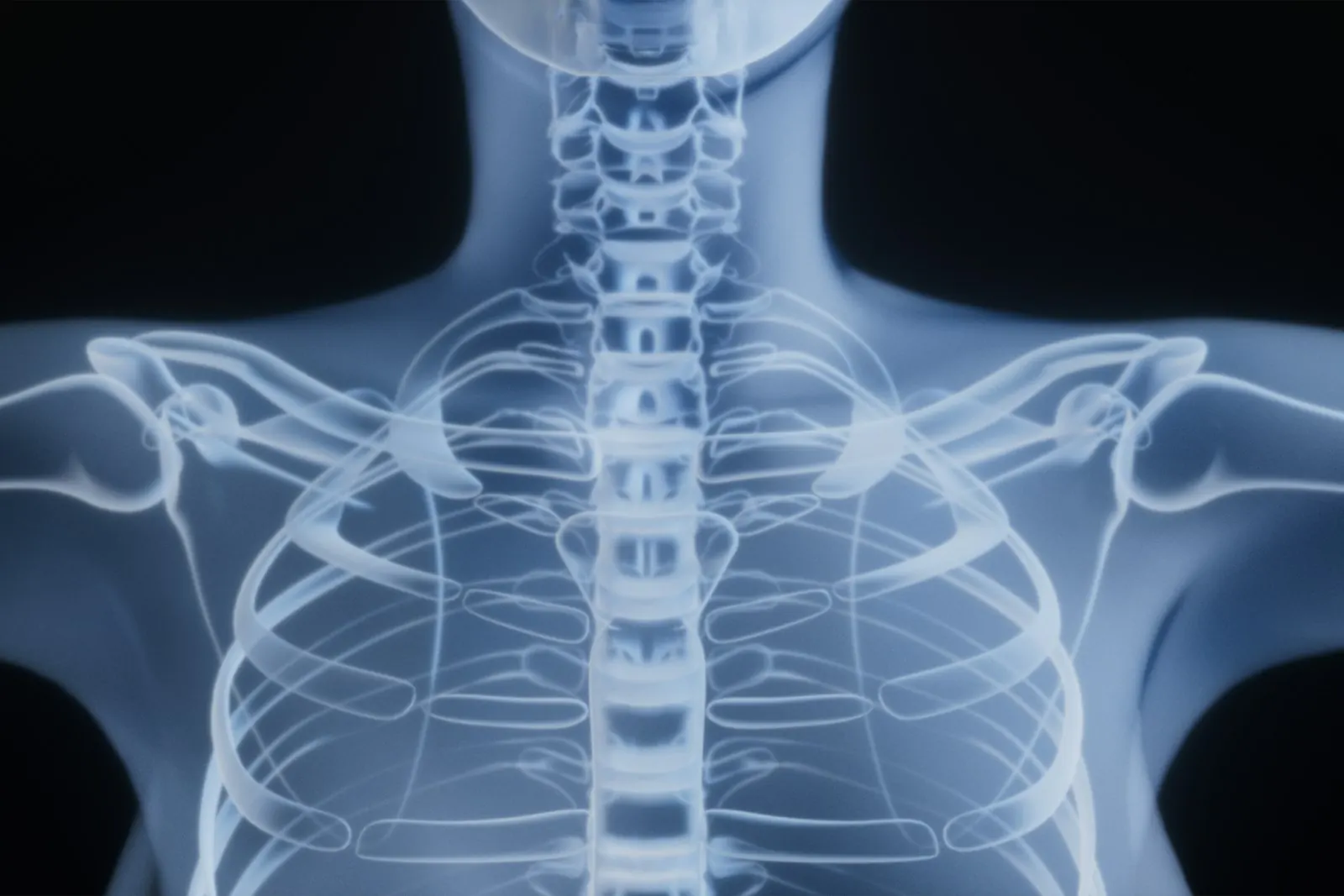
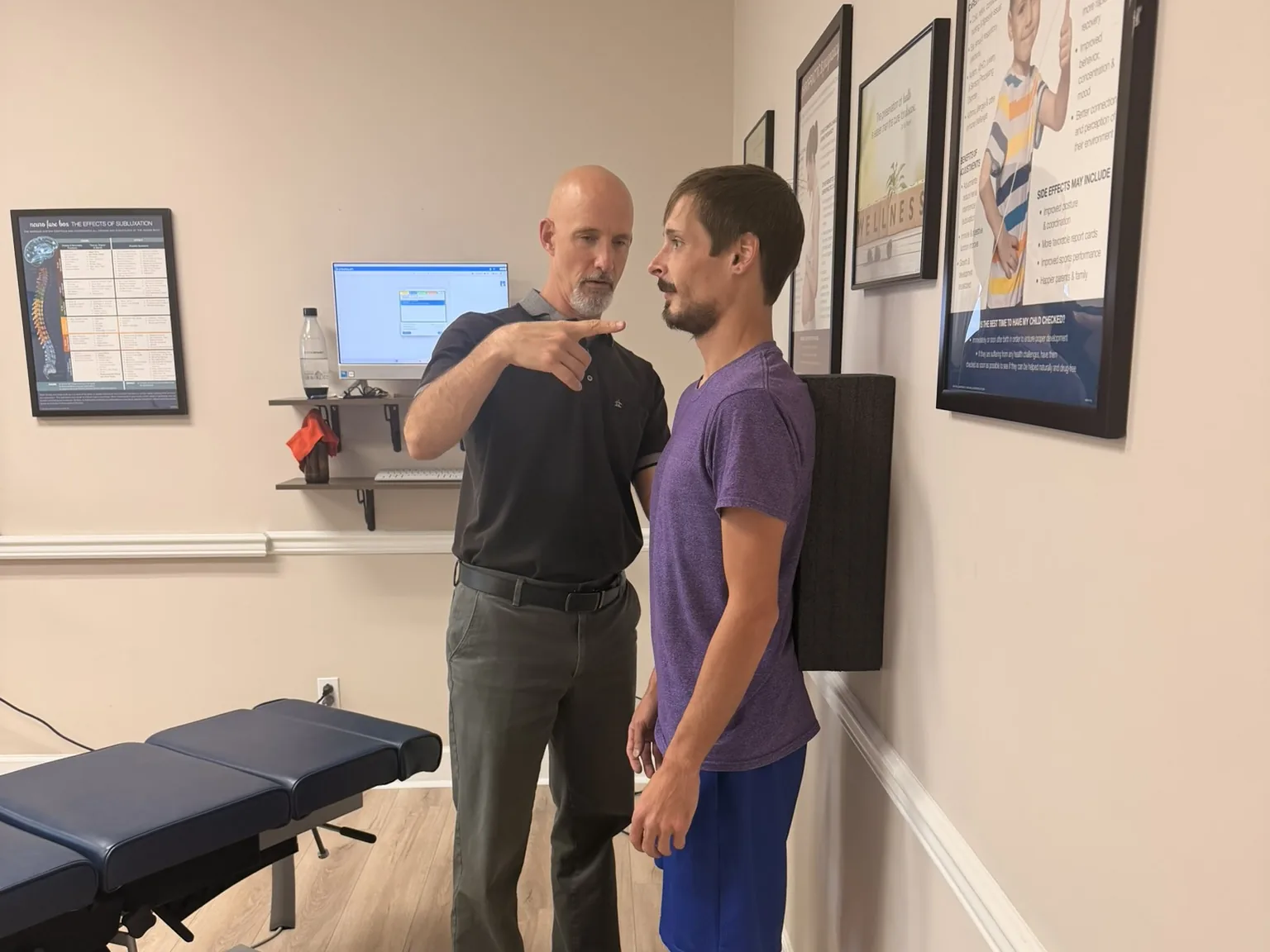
Dr. Scott begins with a consultation, a posture and movement exam, and X-rays when they’re clinically useful, so your curve is measured rather than estimated. That baseline lets him set realistic, honest goals focused on comfort, mobility, and function — and lets him track how you’re doing objectively over time. He’ll explain clearly that the aim is management: reducing pain, improving posture and flexibility, and helping you move better, not promising to erase the curve.
Dr. Scott uses Chiropractic BioPhysics (CBP) X-ray analysis to measure the spine’s structure. For scoliosis, that can mean specific adjustments, mirror-image postural exercises, and targeted stretches designed to ease muscle imbalance and improve how your spine carries load. He’s also trained in Diversified, Gonstead, Drop Table, and the gentle, instrument-based Activator Method — so care is matched to your comfort, age, and the nature of your curve. Alongside in-office care, he prescribes home exercises and posture strategies you can keep using long-term. Throughout, he monitors your curve and stays in communication about whether ongoing chiropractic management remains appropriate or whether co-management with another provider would serve you better. The plan is structured, goal-oriented, and built around your real life.