$45 New Patient Special — consultation, exam & X-rays (if needed). Call (865) 693-1911 8805 Kingston Pike, Suite 105, Knoxville, TN 37923
Condition

Joint Pain

If stiff, aching joints are slowing you down, chiropractic care in Knoxville may help. Dr. Jon Scott finds the joints that have lost their normal motion and gently restores how they move, easing irritation and helping you stay active with a corrective, goal-oriented plan built around your body.

Joint Pain

What is Joint Pain?

Joints are where your bones meet and movement happens — in your spine, shoulders, hips, knees, hands, and more. A healthy joint moves freely through its full range. When a joint loses that normal motion, becomes restricted, or falls out of proper alignment, it can grow irritated and inflamed. That shows up as pain, stiffness, and a sense that your body just doesn’t move the way it used to.

Chiropractors call a joint that has lost normal position or motion a subluxation. When it happens in the spine, it can irritate nearby nerves and change how the muscles and joints around it work. When it happens in other joints, the restriction itself causes discomfort and forces neighboring joints to compensate — spreading the problem. Over time, restricted joints can also load unevenly, which accelerates wear.

The good news is that joint movement responds well to the right care. By restoring proper motion to a restricted joint, chiropractic helps reduce irritation, ease the muscle tension that builds up around it, and let the joint move and nourish itself the way it’s meant to. Dr. Scott focuses on finding which joints have stopped moving well — the actual source of your pain — rather than simply chasing the ache from spot to spot.

Common symptoms

  • Aching or soreness in one or more joints
  • Stiffness, especially in the morning or after sitting still
  • Reduced range of motion or a feeling of restriction
  • Clicking, grinding, or catching with movement
  • Swelling or tenderness around a joint
  • Pain that worsens with use or certain positions
  • Compensating tension in nearby muscles and joints

Common causes

  • Joint restriction and loss of normal motion — When a joint stops moving through its full range, it becomes irritated and stiff, and surrounding muscles tighten to protect it, creating a cycle of pain and reduced movement.
  • Poor posture and repetitive strain — Sustained postures and repetitive tasks load joints unevenly, gradually wearing and irritating them — a frequent issue for Knoxville's desk workers and tradespeople alike.
  • Misalignment and uneven loading — When alignment is off, joints bear weight unevenly, accelerating wear and shifting stress onto neighboring joints that must compensate.
  • Old injuries and accumulated wear — Past sprains, sports injuries, and years of normal use can leave lasting changes in how a joint moves, leading to chronic irritation and stiffness.
  • Inactivity and weak supporting muscles — Joints depend on movement and strong surrounding muscles to stay healthy; too little activity leaves them stiff and poorly supported.

When to seek chiropractic care

Much joint pain is mechanical and responds well to conservative chiropractic care, but some signs call for medical evaluation first. Seek prompt care if joint pain follows a significant injury or fall, if a joint is severely swollen, hot, or red, or if you have fever alongside joint pain — these can signal infection or other conditions that need urgent treatment. See a physician if you experience progressive weakness or numbness, joints that suddenly lock or give way, unexplained weight loss, or multiple joints swelling at once, which may point to inflammatory or systemic disease requiring medical management. When you visit Scott Chiropractic, Dr. Scott performs a thorough exam and takes X-rays when useful. If your situation needs lab work, advanced imaging, or a rheumatology or orthopedic referral, he will direct you to the appropriate provider so nothing is missed.

Our approach

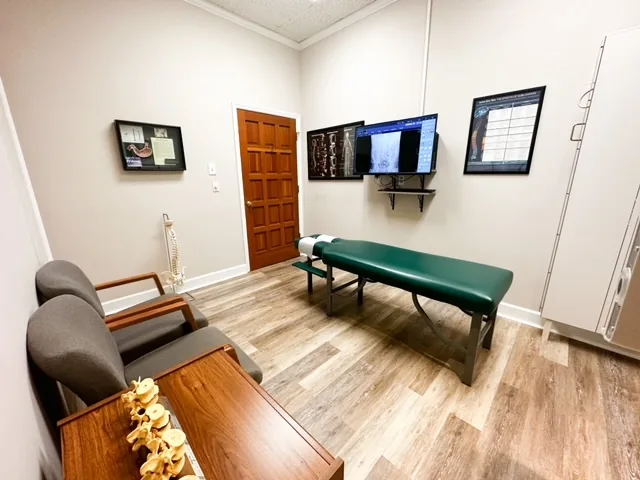
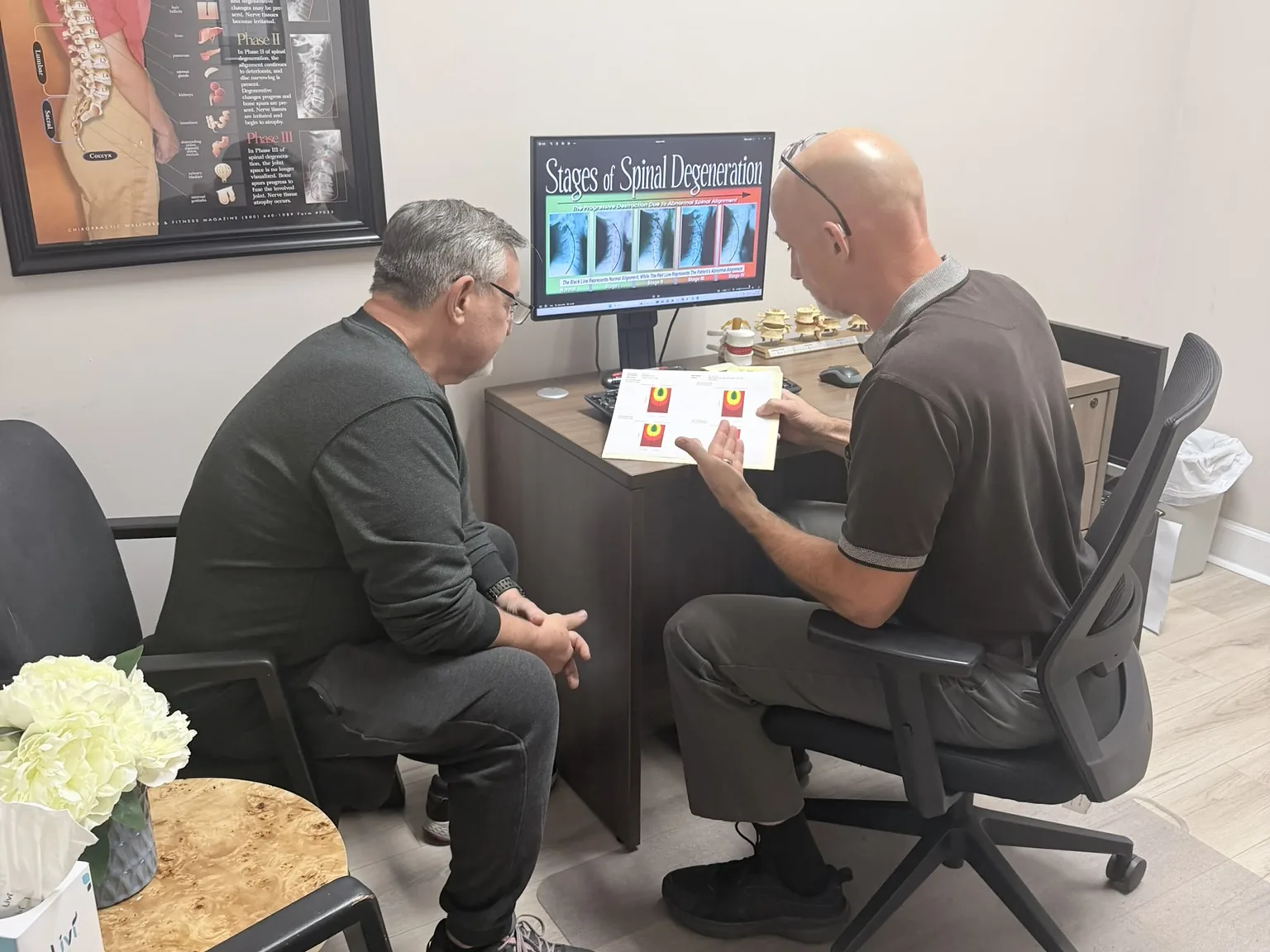
Dr. Scott begins every new-patient visit with a consultation to understand your history, your activity, and which movements trigger your pain. He then performs a comprehensive exam to find exactly which joints have lost normal motion, checking your spine, posture, and the affected joints, with X-rays when they are clinically useful. The goal is to measure where movement has broken down rather than guess at it.

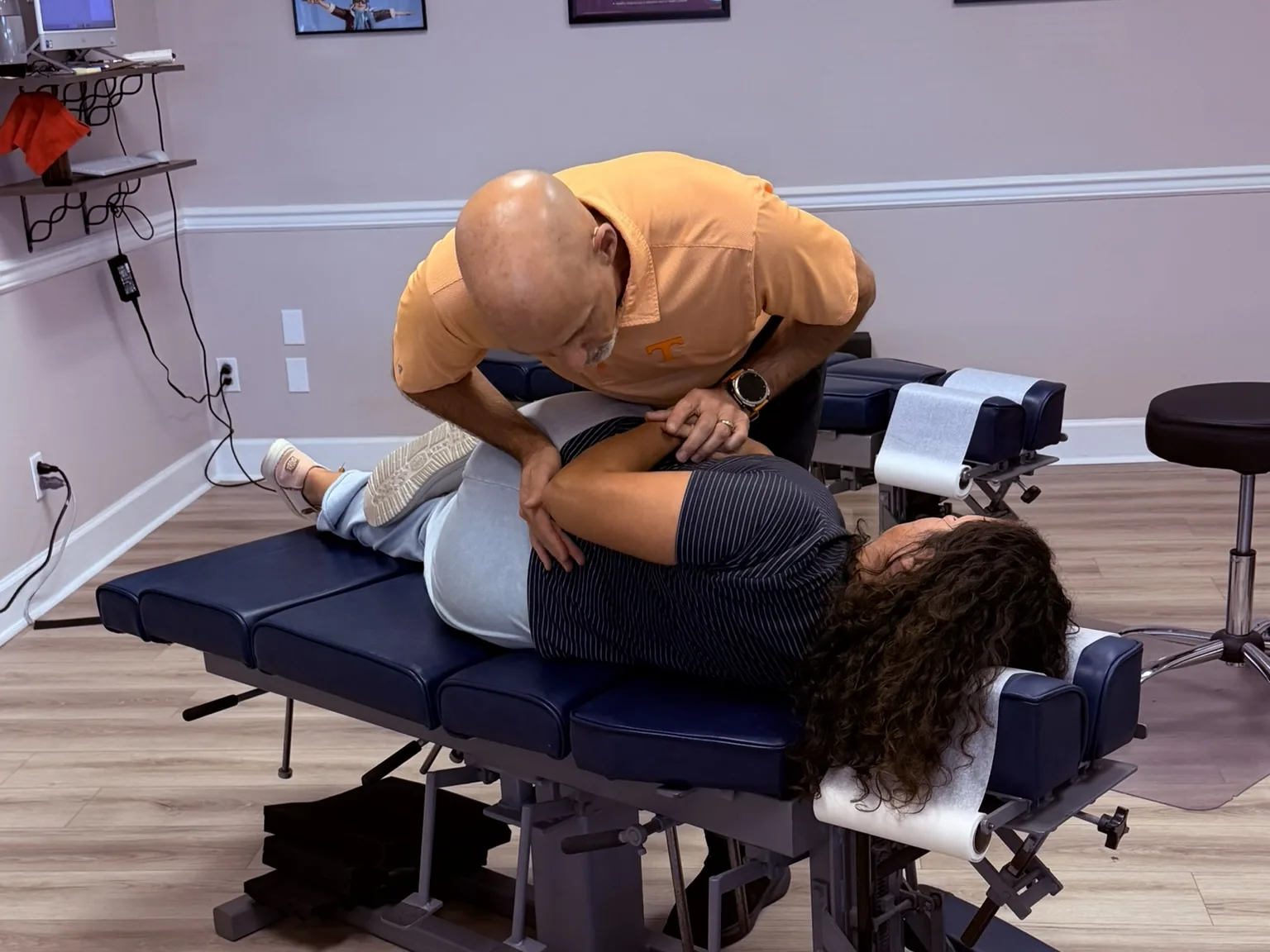
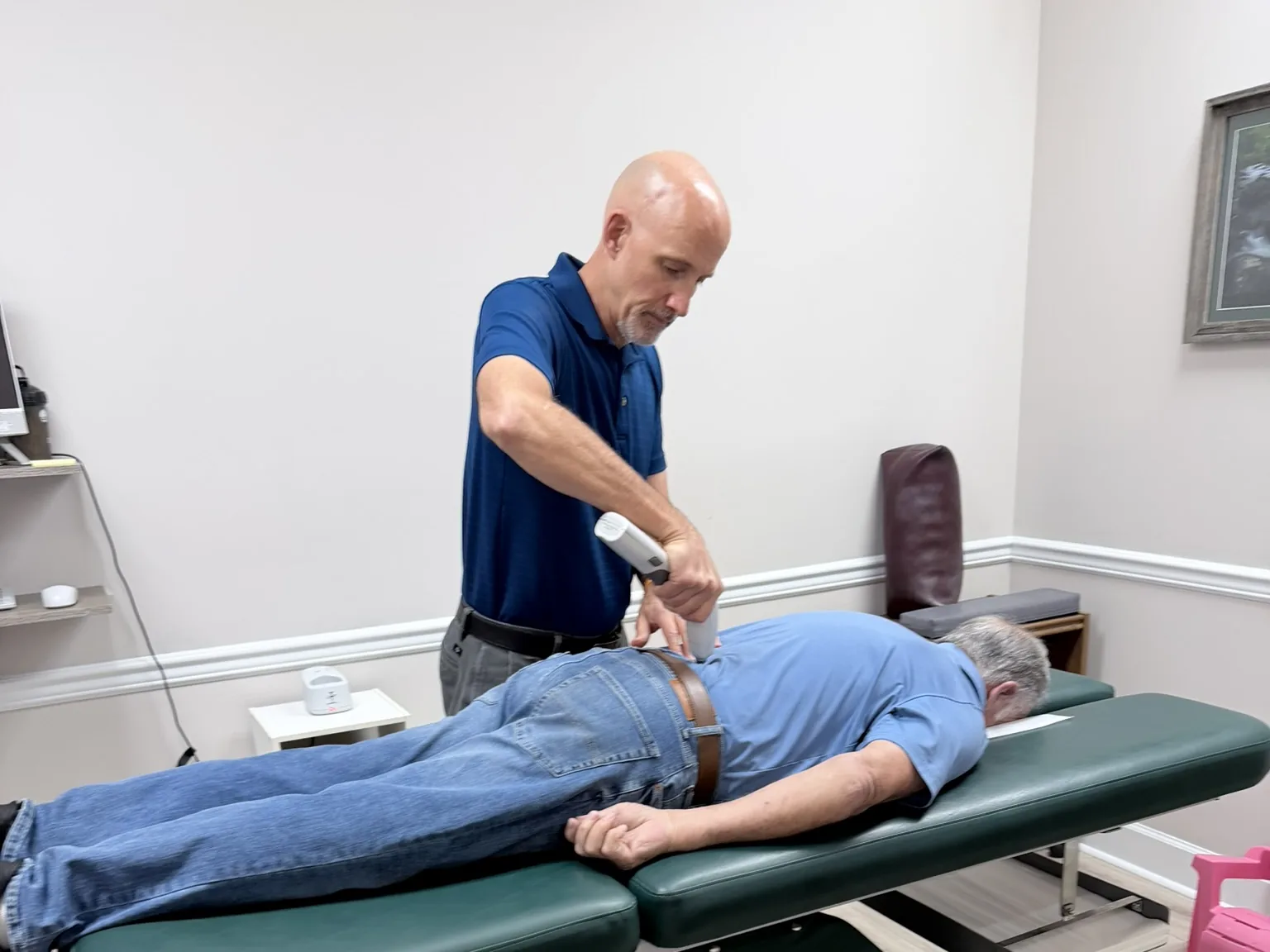
Care is then matched to your body and comfort level. Dr. Scott is trained in Diversified, Gonstead, Palmer, and Drop Table techniques, and with the Activator Method, he can deliver gentle, low-force adjustments with a handheld instrument — a precise, comfortable option for sensitive or arthritic joints. For patients whose joint problems stem from posture and alignment, he adds Chiropractic BioPhysics (CBP) postural correction exercises.

You can expect care aimed at restoring proper motion to restricted joints, easing the irritation and muscle tension around them, and correcting the posture and alignment patterns that overload them. Dr. Scott may add corrective exercises to strengthen the muscles that support your joints. The objective is to address the cause and give you a clear plan with a real finish line, not an indefinite schedule.

Typical care timeline

Relief care

Duration: First 2–4 weeks
Frequency: 2–3 visits per week

Reduce joint irritation and pain, restore early motion to restricted joints, and relax the protective muscle tension around them.

Corrective care

Duration: Weeks 4–12
Frequency: 1–2 visits per week

Correct the underlying alignment and posture problems, rebuild joint mobility and stability, and reduce uneven loading.

Wellness and maintenance

Duration: Ongoing as desired
Frequency: Periodic check-ups

Keep joints moving well, support healthy function, and catch developing restrictions before they cause pain again.

Frequently asked questions

Can chiropractic care help joint pain?

Yes. For joint pain caused by restriction, misalignment, posture, and uneven loading, chiropractic helps by restoring normal motion and easing irritation. Dr. Scott will examine you to confirm the cause, and if your pain stems from an inflammatory or systemic condition, he will refer you to the right provider.

Does chiropractic only work on the spine?

No. While the spine is central to chiropractic, Dr. Scott also addresses the joints of the shoulders, hips, knees, hands, and more, because every joint depends on proper motion to stay healthy and pain-free.

Is adjustment safe for tender or arthritic joints?

Yes, when matched to your condition. With the Activator Method, Dr. Scott can use a gentle, low-force instrument that delivers a precise adjustment without twisting or heavy pressure — a comfortable option for sensitive joints.

Will improving joint motion really reduce my pain?

Often, yes. A restricted joint becomes irritated and forces nearby joints and muscles to compensate. Restoring its normal motion reduces that irritation and the tension around it, which is why many patients feel and move better as care progresses.

Do I need a referral to see Dr. Scott in Knoxville?

No. You can see Dr. Scott directly, and most insurance plans cover chiropractic care without a medical referral. New patients can start with our $45 new-patient special (not valid for Medicare, workers’ comp or auto-accident cases).

Written by Dr. Jon Scott, DC — a Knoxville, TN chiropractor with more than 29 years in practice. Learn about Dr. Scott.

Credentials: Doctor of Chiropractic, Cleveland Chiropractic College (1996). Last updated June 26, 2026.

Your solution to pain.

We test, we don't guess. Book your first visit today — new patient special $45.