$45 New Patient Special — consultation, exam & X-rays (if needed). Call (865) 693-1911 8805 Kingston Pike, Suite 105, Knoxville, TN 37923
Condition

Carpal Tunnel

If numbness, tingling, or weakness in your hand keeps you up at night, you're not stuck with surgery as the only option. At Scott Chiropractic in Knoxville, Dr. Jon Scott looks at the whole nerve pathway — wrist, elbow, and neck — to find what's irritating the median nerve and help relieve carpal tunnel symptoms conservatively.

Carpal Tunnel

What is Carpal Tunnel?

Carpal tunnel syndrome happens when the median nerve gets compressed as it passes through the carpal tunnel, a narrow channel of bones and ligament on the palm side of your wrist. The median nerve controls feeling in your thumb, index, middle, and part of the ring finger, along with some of the small muscles at the base of the thumb. When pressure builds in that tunnel — from swelling, repetitive strain, or inflammation — the nerve can’t work properly, and you feel it as numbness, tingling, burning, or weakness in the hand.

What many people don’t realize is that the median nerve doesn’t start at the wrist. It travels all the way from the nerve roots in your neck, through the shoulder and forearm, before reaching the hand. Irritation or compression anywhere along that pathway — including the lower cervical spine — can produce hand symptoms that look exactly like classic carpal tunnel. This is sometimes called “double crush,” where a nerve is irritated in more than one place at once. That’s why a careful evaluation matters. Treating only the wrist while missing a contributing problem in the neck or forearm is one reason symptoms come back. Dr. Scott examines the entire nerve route so your care addresses the real source, not just where it hurts.

Common symptoms

  • Numbness or tingling in the thumb, index, and middle fingers
  • Burning or "pins and needles" that worsens at night
  • Hand weakness or a tendency to drop objects
  • Aching that can travel up the forearm
  • Shaking or flicking the hand for relief
  • Reduced grip strength or clumsiness with fine tasks
  • Symptoms triggered by driving, typing, or holding a phone

Common causes

  • Repetitive hand and wrist use — Typing, assembly work, tool use, and other repeated motions can inflame the tendons that share the carpal tunnel, crowding the median nerve.
  • Wrist posture and positioning — Prolonged bending of the wrist — at a keyboard, on a steering wheel, or while sleeping — raises pressure inside the tunnel.
  • Neck and nerve-pathway involvement — Irritation of the lower cervical nerve roots can sensitize the median nerve upstream, so wrist symptoms persist despite local treatment.
  • Inflammation and fluid retention — Pregnancy, thyroid conditions, and arthritis can cause swelling that narrows the available space for the nerve.
  • Prior wrist injury — Fractures, sprains, or dislocations can change the shape of the tunnel and increase pressure on the median nerve.

When to seek chiropractic care

It’s wise to have hand numbness or tingling evaluated early, before symptoms become constant. Catching carpal tunnel while it’s intermittent gives conservative care the best chance to work. Seek prompt medical attention if you notice constant numbness that no longer comes and goes, visible wasting or shrinking of the muscle at the base of your thumb, or significant, worsening hand weakness — these can signal nerve damage that needs timely care. You should also get urgent evaluation if numbness or weakness comes on suddenly, follows an injury, or is accompanied by neck pain radiating down the arm, chest pain, or symptoms on both sides. Dr. Scott will assess whether your case is a good fit for conservative chiropractic care or whether referral for further testing, such as nerve conduction studies, is the right next step. Careful screening protects you and makes sure you get the appropriate level of care.

Our approach

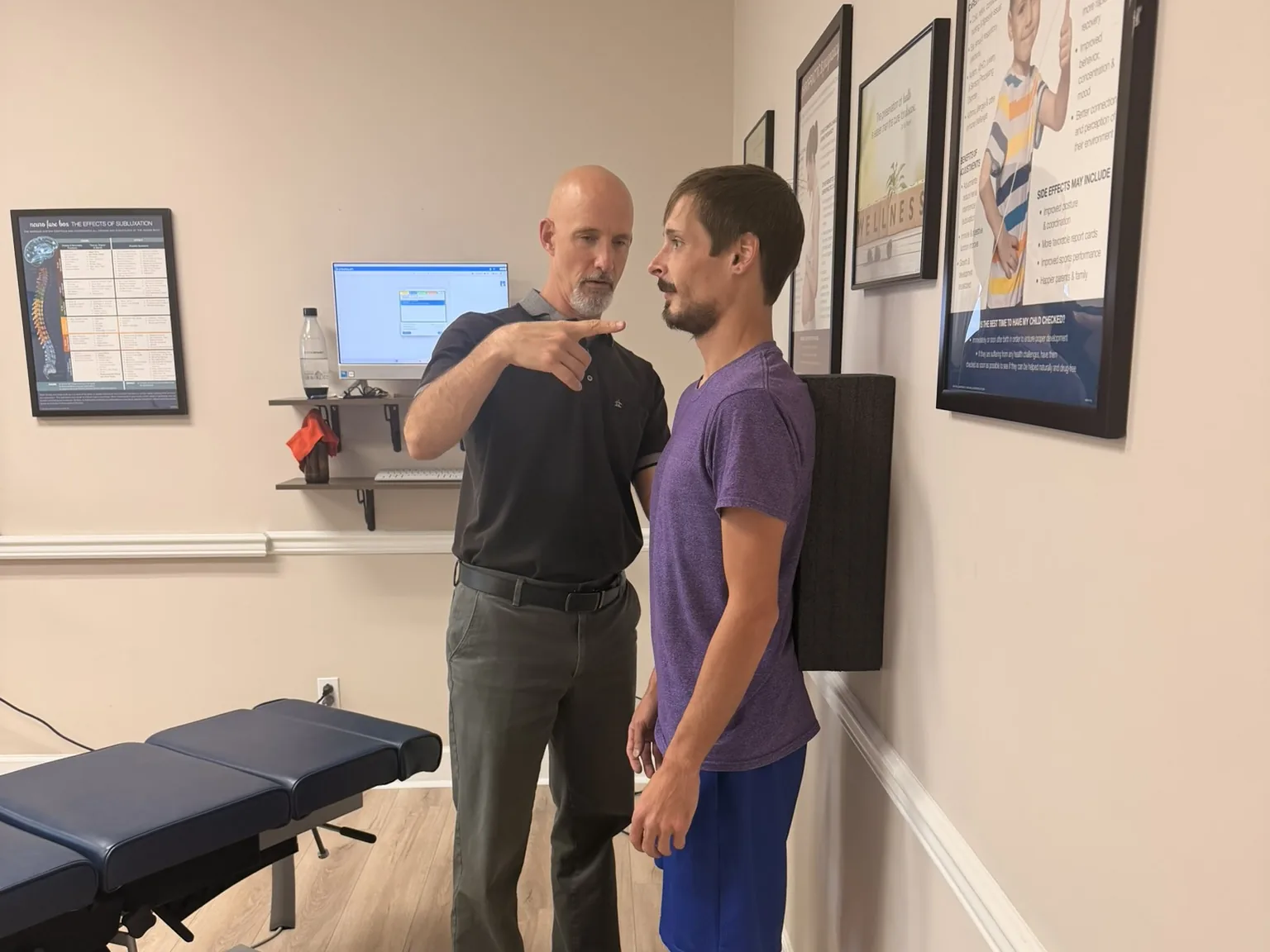
Dr. Scott starts with a thorough history and exam to map exactly where the median nerve is being irritated. Because hand symptoms can originate at the wrist, the forearm, or the neck, he tests the full pathway rather than assuming the problem is only in the carpal tunnel. X-rays of the cervical spine are taken when they’re clinically useful, so decisions are based on what he measures rather than guesswork.

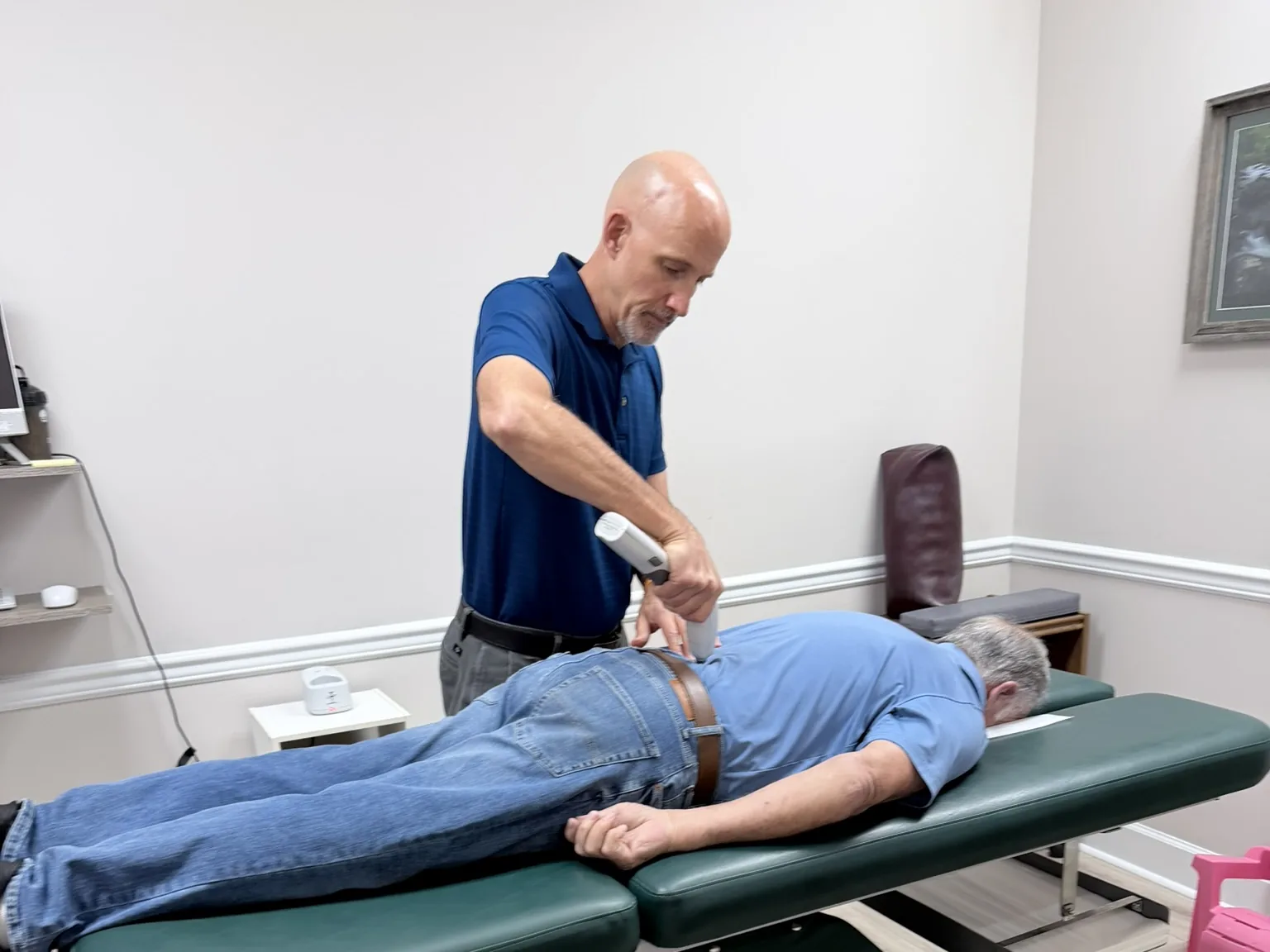
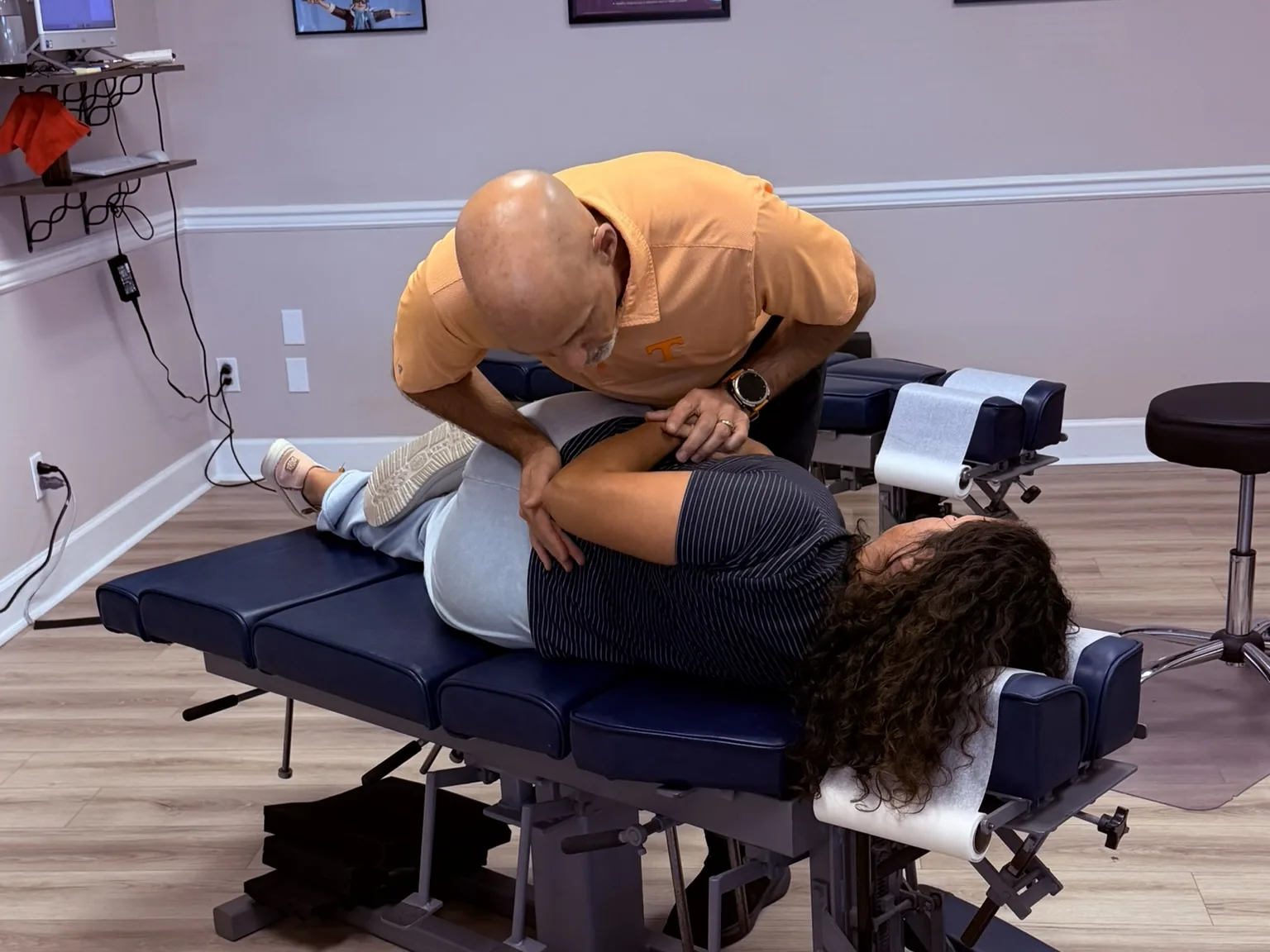
If your evaluation points to nerve irritation he can address conservatively, care focuses on restoring normal motion and reducing pressure along the pathway. Dr. Scott may use gentle, specific adjustments to the wrist, elbow, and cervical spine to improve joint movement and ease nerve tension. With the Activator Method, he can deliver precise, low-force corrections with a handheld instrument — a comfortable option for sensitive wrists and necks. He’s also trained in Diversified, Gonstead, Palmer, and Drop Table techniques, so your care is matched to your body and comfort. Alongside adjustments, he often recommends nerve-gliding exercises, activity and ergonomic adjustments, and posture work to take lasting strain off the median nerve. The goal is straightforward: relieve your symptoms, correct what’s driving them, and give you a clear plan with a real finish line — not an endless schedule.

Typical care timeline

Relief phase

Duration: Weeks 1–4
Frequency: 2–3 visits per week

Calm nerve irritation, reduce numbness and night symptoms, and restore comfortable motion in the wrist and neck.

Corrective phase

Duration: Weeks 4–12
Frequency: 1–2 visits per week

Address the underlying joint and posture problems along the nerve pathway and rebuild grip strength and endurance.

Wellness and prevention

Duration: Ongoing as needed
Frequency: Periodic check-ins

Maintain results with ergonomic habits and home exercises so symptoms don't return.

Frequently asked questions

Can a chiropractor really help carpal tunnel without surgery?

For many people, yes. When symptoms are mild to moderate and caught early, conservative care that addresses the wrist, forearm, and neck can relieve median-nerve irritation. Dr. Scott will tell you honestly whether your case is a good fit or whether you’d be better served by referral for further testing or a surgical opinion.

Why would my neck have anything to do with my hand symptoms?

The median nerve travels from nerve roots in your neck all the way to your fingers. Irritation in the lower cervical spine can sensitize that nerve, so hand symptoms persist even when the wrist looks fine. Examining the whole pathway helps find the true source.

Does the adjustment hurt if my wrist is already sore?

Care is matched to your comfort. The Activator Method delivers a gentle, low-force adjustment with a handheld instrument — no twisting or heavy pressure — which is well suited to a tender wrist or neck.

How long before I notice a difference?

It varies with how long you’ve had symptoms and what’s driving them. Some patients notice less nighttime tingling within the first few weeks. After your exam, Dr. Scott gives you a realistic timeline rather than a vague promise.

What can I do at home to help?

Wrist-neutral positioning, regular breaks from repetitive tasks, ergonomic setup at your desk, and the nerve-gliding exercises Dr. Scott prescribes all help reduce pressure on the median nerve between visits.

Written by Dr. Jon Scott, DC — a Knoxville, TN chiropractor with more than 29 years in practice. Learn about Dr. Scott.

Credentials: Doctor of Chiropractic, Cleveland Chiropractic College (1996). Last updated June 26, 2026.

Your solution to pain.

We test, we don't guess. Book your first visit today — new patient special $45.