$45 New Patient Special — consultation, exam & X-rays (if needed). Call (865) 693-1911 8805 Kingston Pike, Suite 105, Knoxville, TN 37923
Condition

Scoliosis

Living with scoliosis often means managing stiffness, uneven posture, and aching that comes and goes. At Scott Chiropractic in Knoxville, Dr. Jon Scott uses posture-focused methods, including CBP postural exercises, to help relieve discomfort and improve how you move and function — a management approach, not a cure, with clear, honest expectations from the start.

Scoliosis

What is Scoliosis?

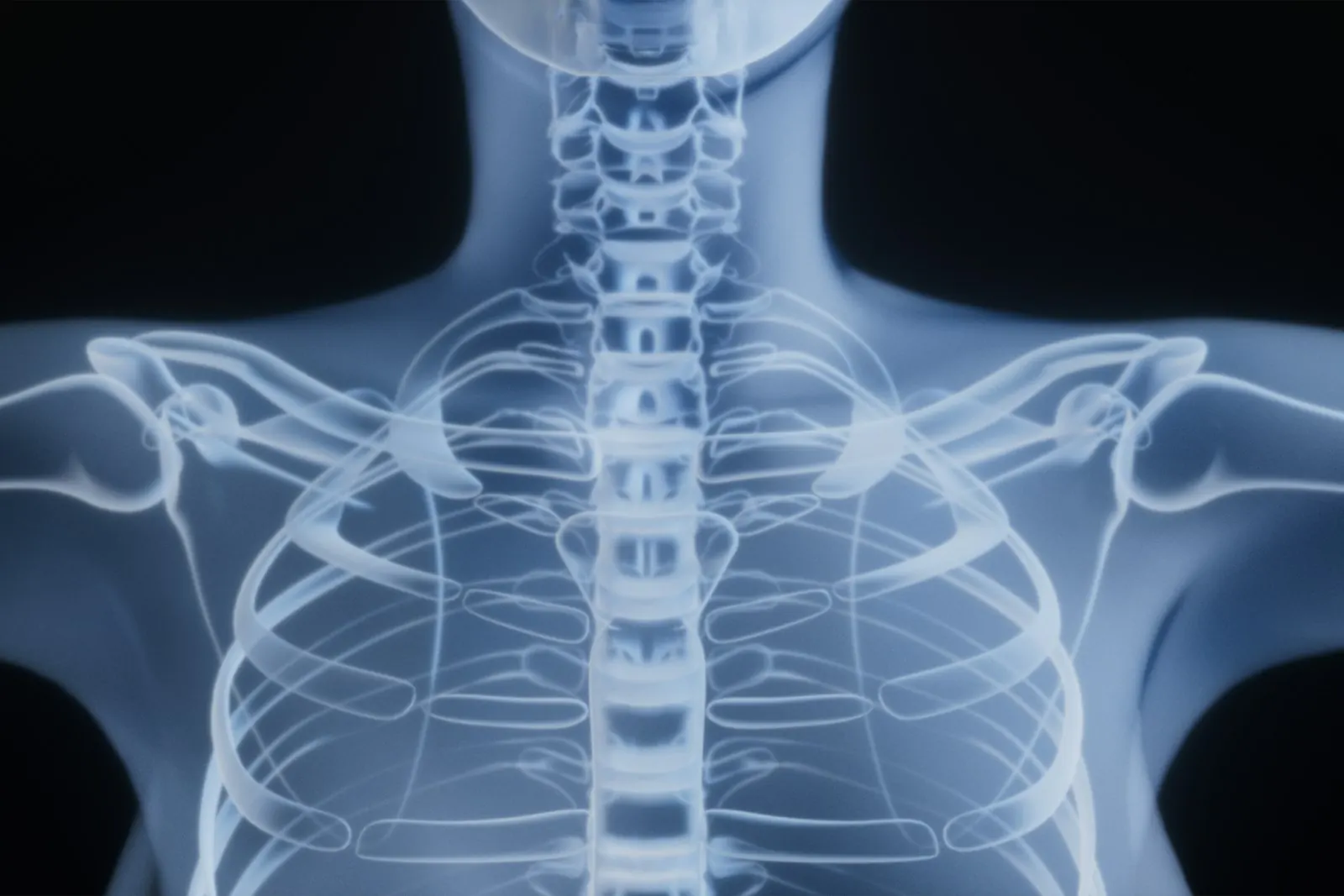
Scoliosis is a sideways curvature of the spine, usually shaped like a “C” or “S” when viewed from behind. A healthy spine curves front-to-back, but a scoliotic spine also bends and rotates to the side. Curves are measured in degrees using an X-ray (the Cobb angle), and they range from mild to severe. The most common form, adolescent idiopathic scoliosis, appears during growth spurts for reasons that aren’t fully understood. Scoliosis can also develop in adults as discs and joints degenerate, or it can be present from a structural cause.

It’s important to be clear about what care can and can’t do. No chiropractor, exercise program, or brace can straighten an established structural scoliosis back to normal — that’s not a realistic promise, and anyone who guarantees it isn’t being honest with you. What conservative care can do is meaningful: help manage pain, improve flexibility and posture, reduce muscle imbalance, and support better day-to-day function. Many people with scoliosis live active, full lives, and the discomfort that often comes with the curve — stiffness, fatigue, uneven muscle tension — frequently responds well to a structured, posture-focused plan. Dr. Scott’s role is to assess your specific curve, set honest goals around comfort and function, and, when appropriate, monitor the curve over time and coordinate referral if it’s progressing and needs medical or orthopedic management.

Common symptoms

  • Visibly uneven shoulders, hips, or waistline
  • One shoulder blade that sticks out more than the other
  • Clothes that hang unevenly or fit oddly
  • Back stiffness, aching, or muscle fatigue
  • Leaning slightly to one side when standing
  • Reduced flexibility or a sense of being "twisted"
  • Discomfort that worsens with prolonged sitting or standing

Common causes

  • Idiopathic (unknown) origin — The most common type develops during adolescent growth with no identifiable single cause, though it can run in families.
  • Age-related spinal changes — In adults, degenerating discs and joints can allow the spine to curve and shift sideways over time.
  • Muscle and postural imbalance — Uneven muscle tension and long-standing postural habits don't cause structural scoliosis but can amplify discomfort and asymmetry.
  • Structural or congenital factors — Differences present from birth in how the vertebrae formed can produce a curve that's part of the spine's architecture.
  • Leg-length or pelvic differences — An uneven pelvic foundation can contribute to a functional curve and to the strain you feel day to day.

When to seek chiropractic care

Any new or worsening spinal curve deserves a proper evaluation. For children and teens, a curve that’s visibly increasing during growth needs timely attention, because progression is most likely during growth spurts. Seek prompt medical evaluation if you notice a curve that is clearly getting worse, significant or rapidly increasing pain, or any neurological symptoms — numbness, tingling, leg weakness, or changes in bowel or bladder control, which require urgent care. Sudden back pain after an injury, or pain that’s severe at night or unrelieved by rest, should also be checked promptly. Dr. Scott will measure your curve, determine whether conservative care is appropriate for managing your symptoms, and coordinate referral to an orthopedic or medical specialist when a curve is large, progressing quickly, or better suited to bracing or surgical evaluation. Honest screening means you get the right care at the right time.

Our approach

Dr. Scott begins with a consultation, a posture and movement exam, and X-rays when they’re clinically useful, so your curve is measured rather than estimated. That baseline lets him set realistic, honest goals focused on comfort, mobility, and function — and lets him track how you’re doing objectively over time. He’ll explain clearly that the aim is management: reducing pain, improving posture and flexibility, and helping you move better, not promising to erase the curve.

Dr. Scott uses Chiropractic BioPhysics (CBP) X-ray analysis to measure the spine’s structure. For scoliosis, that can mean specific adjustments, mirror-image postural exercises, and targeted stretches designed to ease muscle imbalance and improve how your spine carries load. He’s also trained in Diversified, Gonstead, Drop Table, and the gentle, instrument-based Activator Method — so care is matched to your comfort, age, and the nature of your curve. Alongside in-office care, he prescribes home exercises and posture strategies you can keep using long-term. Throughout, he monitors your curve and stays in communication about whether ongoing chiropractic management remains appropriate or whether co-management with another provider would serve you better. The plan is structured, goal-oriented, and built around your real life.
Typical care timeline

Assessment and relief

Duration: Weeks 1–4
Frequency: 2–3 visits per week

Establish a measured baseline, ease muscle tension and aching, and improve comfortable range of motion.

Corrective and postural phase

Duration: Weeks 4–12
Frequency: 1–2 visits per week

Improve posture, flexibility, and muscle balance with specific adjustments and CBP mirror-image postural exercises.

Maintenance and monitoring

Duration: Ongoing
Frequency: Periodic check-ins and re-checks

Sustain comfort and function, reinforce home exercises, and monitor the curve over time.

Frequently asked questions

Can chiropractic care cure my scoliosis or straighten my spine?

No, and Dr. Scott won’t promise that. An established structural scoliosis can’t be straightened back to normal by any conservative method. What care can realistically do is help manage pain, improve posture and flexibility, and support better function — which makes a real difference in how you feel and move day to day.

Is chiropractic adjustment safe for someone with scoliosis?

When it’s appropriate for your case, yes. Dr. Scott evaluates your curve first and matches the technique to you, including the very gentle, low-force Activator Method when that’s the better fit. If your curve needs medical or orthopedic management, he’ll tell you and help coordinate it.

My teenager was just diagnosed. What should we do?

Have the curve measured and monitored, because progression is most likely during growth. Dr. Scott can assess it, help manage discomfort, and coordinate with an orthopedic specialist if the curve is large or increasing and may need bracing or further evaluation.

Will the exercises actually help?

Posture-focused exercises won’t reverse the curve, but they can reduce muscle imbalance, improve flexibility, and ease the stiffness and fatigue that often come with scoliosis. Consistency with your home program is a big part of getting and keeping results.

Do I have to come in forever?

No. Dr. Scott is goal-oriented and gives you a structured plan with a defined finish line for the active phases, followed by occasional check-ins to maintain comfort and monitor the curve — not an open-ended schedule.

Written by Dr. Jon Scott, DC — a Knoxville, TN chiropractor with more than 29 years in practice. Learn about Dr. Scott.

Credentials: Doctor of Chiropractic, Cleveland Chiropractic College (1996). Last updated June 26, 2026.

Your solution to pain.

We test, we don't guess. Book your first visit today — new patient special $45.