$45 New Patient Special — consultation, exam & X-rays (if needed). Call (865) 693-1911 8805 Kingston Pike, Suite 105, Knoxville, TN 37923
Condition

Arthritis

Living with arthritis in Knoxville? Gentle chiropractic care with Dr. Jon Scott can help you maintain mobility and manage day-to-day discomfort. Chiropractic is not a cure for arthritis, but conservative, low-force care — including the gentle Activator Method — can help your joints keep moving more comfortably.

Arthritis

What is Arthritis?

Arthritis simply means inflammation of a joint, and it covers many conditions — most commonly osteoarthritis, the gradual wear of the cartilage that cushions your joints. As that cushioning thins, joints can become stiff, achy, and harder to move, especially in the spine, hips, knees, hands, and shoulders. It’s one of the most common reasons Knoxville adults find their daily activities slowly becoming more difficult.

It’s important to be clear about what chiropractic can and cannot do. Chiropractic care does not reverse arthritis or regrow cartilage, and it is not a cure. What conservative chiropractic care can do is help the joints that are still moving keep moving as well as possible — reducing the stiffness, restriction, and compensating muscle tension that often make arthritis feel worse than the joint changes alone would suggest.

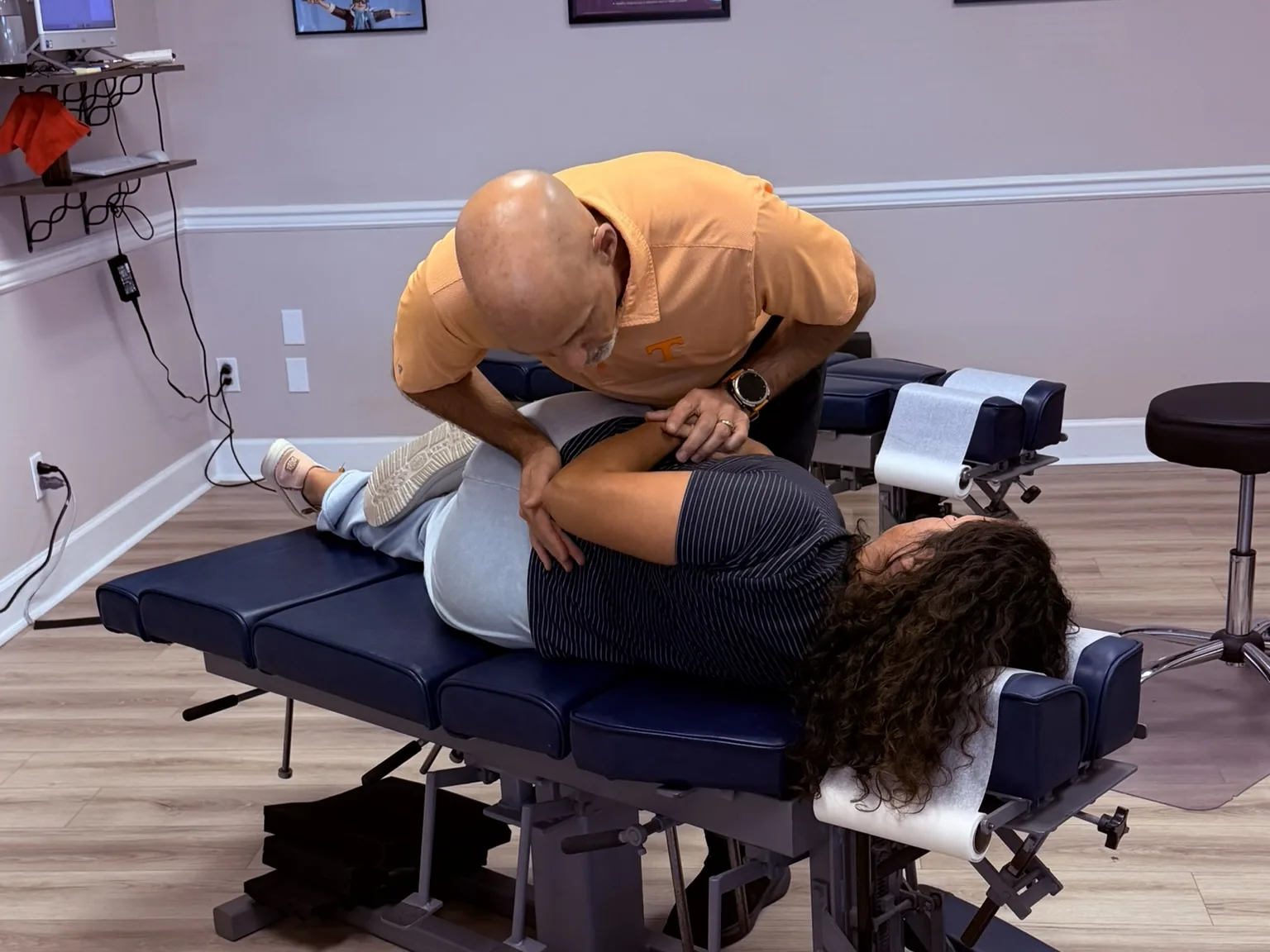
When an arthritic joint becomes restricted, the joints and muscles around it work harder to compensate, which adds its own layer of pain and tightness. By gently restoring motion where it has been lost and improving overall alignment, Dr. Scott aims to ease that added burden, support better movement, and help you stay active and comfortable. His approach is deliberately gentle and goal-oriented, focused on quality of life rather than promises he can’t keep.


Common symptoms

  • Joint stiffness, especially in the morning or after rest
  • Aching or tenderness in affected joints
  • Reduced range of motion and a feeling of restriction
  • Grinding, creaking, or catching with movement
  • Pain that flares with activity or weather changes
  • Swelling or warmth around a joint
  • Compensating tightness in surrounding muscles

Common causes

  • Age-related wear (osteoarthritis) — The gradual thinning of the cartilage that cushions joints is the most common form of arthritis, leaving joints stiffer and more sensitive to load over time.
  • Joint restriction and uneven loading — When joints lose normal motion or bear weight unevenly due to poor alignment, wear concentrates in certain areas and accelerates degenerative change.
  • Old injuries and accumulated stress — Past fractures, sprains, and sports injuries can change how a joint moves and loads, making it more prone to arthritic change years later.
  • Poor posture and muscle imbalance — Long-term posture problems shift stress onto certain joints and leave them poorly supported, adding strain that compounds arthritic discomfort.
  • Inactivity and deconditioning — Joints rely on movement and strong surrounding muscles to stay healthy; too little activity leaves arthritic joints stiffer, weaker, and more painful.

When to seek chiropractic care

Chiropractic can be a valuable part of managing arthritis discomfort, but certain situations need medical evaluation first or alongside chiropractic care. See a physician promptly if a joint becomes suddenly hot, red, and severely swollen, or if joint pain comes with fever — these can signal infection or an acute inflammatory flare that needs medical treatment, not adjustment. Seek care if multiple joints swell at once, if you have progressive weakness or numbness, or if you experience unexplained weight loss or fatigue, which may indicate rheumatoid or other inflammatory arthritis requiring a rheumatologist’s management. Always tell Dr. Scott about diagnosed arthritis, medications, and any joint replacements so care can be tailored safely. At Scott Chiropractic, Dr. Scott performs a thorough exam and takes X-rays when useful, and he coordinates with or refers to your medical providers whenever your condition calls for it — chiropractic works best as part of a complete care plan.

Our approach

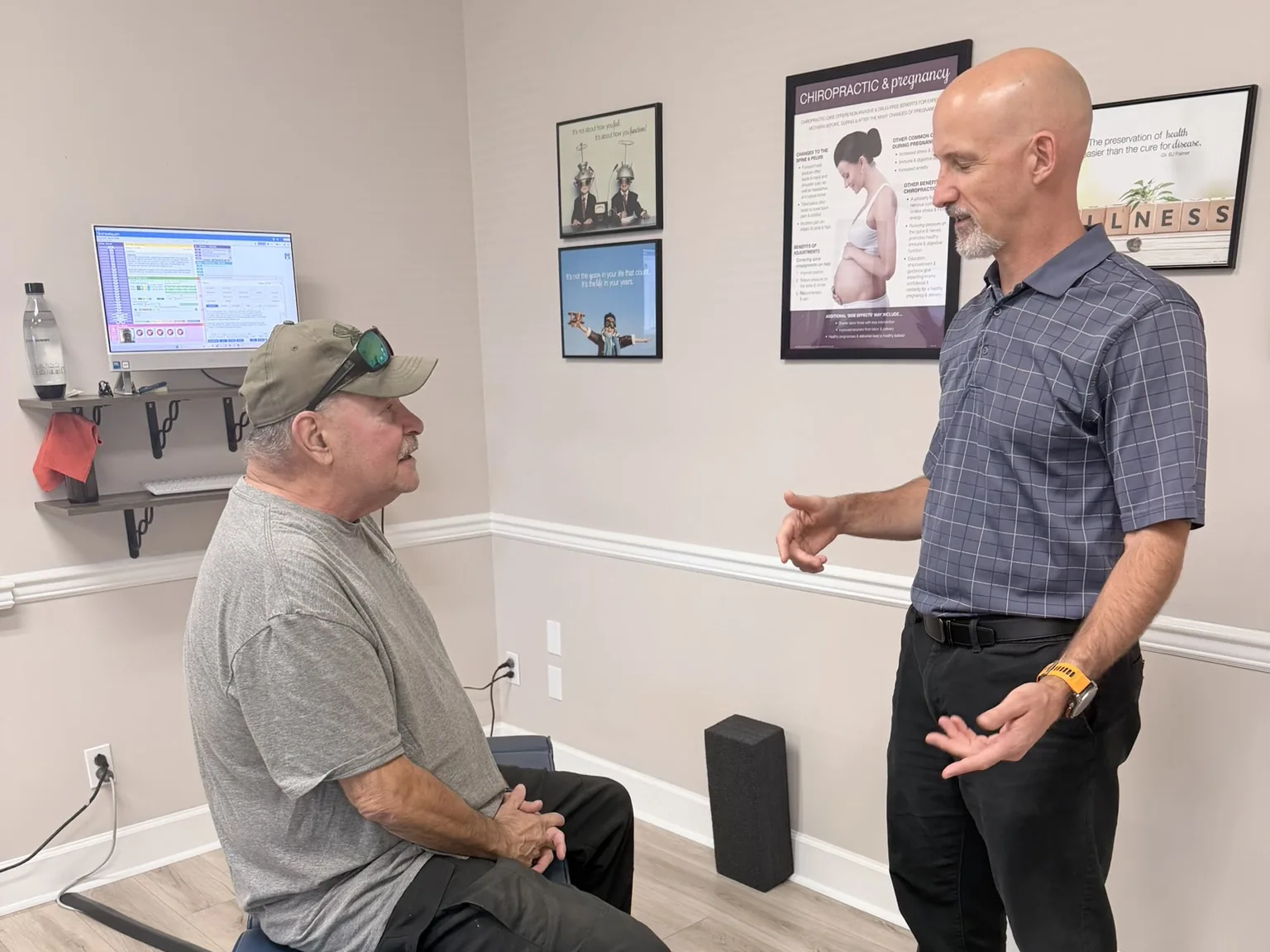
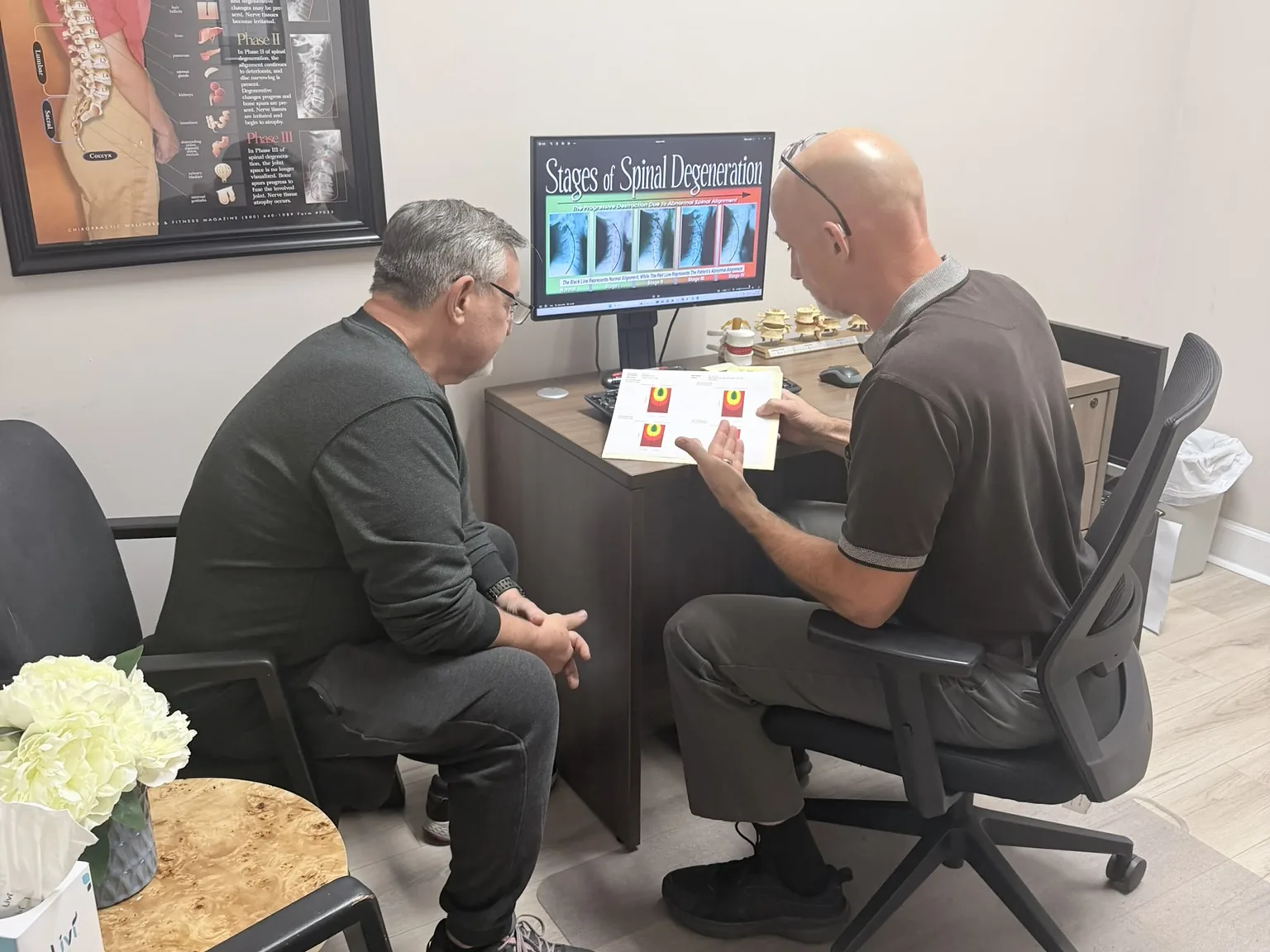
Dr. Scott begins with a consultation to understand your diagnosis, your history, your medications, and how arthritis affects your daily life. He then performs a careful exam and takes X-rays when they are clinically useful, so he can see which joints are affected and which are simply restricted and able to move better. With arthritis, knowing exactly what he’s working with matters — care is based on what he measures, not assumptions.

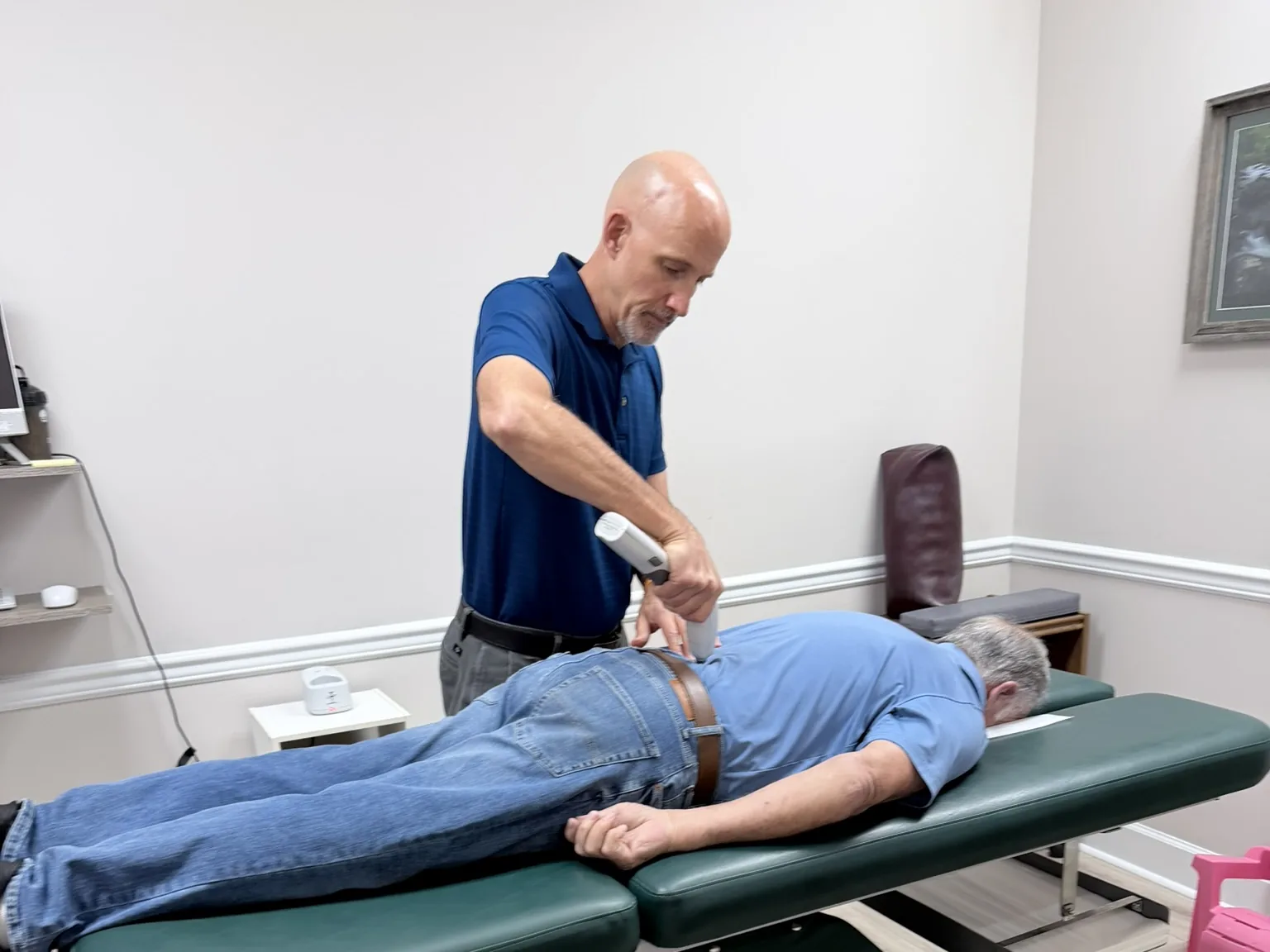
Gentleness is central to this approach. With the Activator Method, Dr. Scott can deliver precise, low-force adjustments with a handheld instrument — no twisting, no popping, no heavy pressure — which makes it especially suitable for sensitive, arthritic joints and older patients. He is also trained in Diversified, Gonstead, Palmer, and Drop Table techniques, and where posture and alignment are driving extra joint stress he can add Chiropractic BioPhysics (CBP) postural correction exercises.

The goal is realistic and clear: help your joints move as well as they can, ease the restriction and muscle tension that compound arthritis pain, and support your mobility and comfort so you can keep doing what you enjoy. Dr. Scott may suggest gentle corrective exercises and coordinate with your medical team. This is conservative, supportive care — never a claim to cure — aimed at improving how you feel and function.

Typical care timeline

Relief and assessment

Duration: First 2–4 weeks
Frequency: 1–2 visits per week

Gently reduce stiffness and discomfort, restore motion to restricted joints, and ease the compensating muscle tension around arthritic areas.

Mobility and support

Duration: Weeks 4–12
Frequency: Weekly to biweekly

Improve overall alignment and joint mobility, reduce uneven loading, and build supporting strength to take stress off arthritic joints.

Ongoing wellness

Duration: Ongoing as desired
Frequency: Periodic maintenance visits

Help maintain mobility and comfort, manage flare-ups, and keep you moving and active over the long term.

Frequently asked questions

Can chiropractic cure my arthritis?

No. Chiropractic does not cure arthritis or reverse joint damage, and Dr. Scott will never promise that. What gentle, conservative care can do is help your joints move better, ease stiffness and compensating tension, and support your mobility and comfort as part of a complete care plan.

Is chiropractic adjustment safe if I have arthritis?

When tailored to your condition, yes. With the Activator Method, Dr. Scott can use a gentle, low-force instrument with no twisting or heavy pressure — well suited to arthritic joints. He’ll review your X-rays and history first and avoid any approach that isn’t appropriate for you.

Will chiropractic help my arthritis pain?

Many patients find that gentle care helps reduce the stiffness and restriction that make arthritis feel worse, improving how comfortably they move day to day. Results vary by person and joint, and Dr. Scott will give you an honest, realistic picture after your exam.

Should I keep seeing my regular doctor too?

Yes. Chiropractic works best alongside your medical care, especially for inflammatory types of arthritis. Dr. Scott will coordinate with your providers and refer you when your condition needs medical management.

Do I need a referral to see Dr. Scott in Knoxville?

No. You can see Dr. Scott directly, and most insurance plans cover chiropractic care without a medical referral. New patients can start with our $45 new-patient special (not valid for Medicare, workers’ comp or auto-accident cases).

Written by Dr. Jon Scott, DC — a Knoxville, TN chiropractor with more than 29 years in practice. Learn about Dr. Scott.

Credentials: Doctor of Chiropractic, Cleveland Chiropractic College (1996). Last updated June 26, 2026.

Your solution to pain.

We test, we don't guess. Book your first visit today — new patient special $45.