
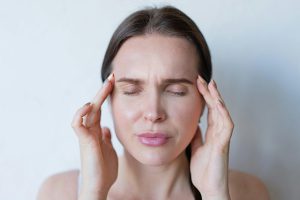
Why Do Headaches Keep Coming Back?
Many people throughout Knoxville and East Tennessee experience recurring headaches without fully realizing how stress, posture, muscle tension, and spinal mechanics may be contributing underneath the surface.
Some headaches appear occasionally.
Others gradually become recurring patterns affecting:
- sleep
- concentration
- work performance
- exercise
- family activities
- daily energy levels
In many cases, the body may have been compensating for physical stress long before headaches become severe.
How Stress and Posture May Affect Recurring Headaches
Why do headaches keep coming back for so many people?
One major reason is that modern lifestyles place constant stress on posture, movement patterns, and muscle balance.
Phones, computers, driving, desk work, repetitive movement, and poor ergonomics may gradually contribute to:
- forward head posture
- rounded shoulders
- neck tension
- upper back tightness
- restricted spinal movement
Over time, these stress patterns may increase tension throughout the muscles and joints surrounding the neck and shoulders.
Many people searching for the best chiropractor in Knoxville are surprised to learn how posture strain and spinal stress may contribute to recurring headaches.
Why Muscle Tension and Stress Often Build Together
Why do headaches keep coming back during stressful seasons of life?
Stress does not only affect emotions. It often becomes physical.
Long work hours, interrupted sleep, sports schedules, travel, screen time, parenting stress, and repetitive daily strain may all increase muscular tension throughout the body.
Over time, chronic stress may contribute to:
- jaw tension
- shallow breathing
- muscular fatigue
- nervous system overload
- reduced recovery
- persistent tightness
Many people notice stiffness, neck tension, and fatigue before headaches begin interfering with daily activities more consistently.
How Spinal Function May Influence Headache Patterns
The muscles, joints, posture, and nervous system work together continuously throughout the day.
When movement becomes restricted or compensation patterns develop, surrounding muscles often work harder to stabilize the body.
This may contribute to:
- recurring tension headaches
- neck tightness
- shoulder tension
- reduced mobility
- physical fatigue
Why do headaches keep coming back for many hardworking adults throughout East Tennessee?
Often because daily stress continues affecting posture, movement quality, recovery, and spinal function over time.
Why Recovery and Consistency Matter
Why do headaches keep coming back even after temporary improvement?
Because temporary symptom relief is not always the same as long-term functional improvement.
Daily stress patterns continue affecting the body regularly through:
- posture strain
- repetitive movement
- sitting
- poor recovery habits
- physical stress
- nervous system tension
Without consistency, many people gradually return to:
- muscular tension
- restricted mobility
- fatigue
- recurring headaches
Long-term improvement often involves:
- posture awareness
- movement improvement
- stress management
- recovery habits
- nervous system balance
- consistency over time
Better Function Supports Better Resilience
At Scott Chiropractic, evaluations focus on:
- posture
- spinal mechanics
- movement quality
- nervous system function
- physical stress patterns affecting long-term function
The goal is not simply temporary relief.
The goal is helping the body function more efficiently and adapt better to daily stress over time.
Because why do headaches keep coming back is often a bigger question than many people realize.
Frequently Asked Questions
Why do headaches keep coming back during stressful periods?
Stress may increase muscular tension, shallow breathing, poor recovery, and nervous system overload that may contribute to recurring headaches.
Can posture contribute to recurring headaches?
Yes. Poor posture may increase tension throughout the neck, shoulders, and upper back, which may affect headache patterns over time.
Why do headaches keep coming back after temporary relief?
Temporary symptom improvement does not always mean posture, movement patterns, spinal mechanics, and muscular tension have fully stabilized.
Can neck tension contribute to headaches?
Neck tension and restricted movement may increase stress throughout surrounding muscles and joints connected to headache patterns.
https://www.mayoclinic.org/diseases-conditions/headaches/symptoms-causes/syc-20350800
https://my.clevelandclinic.org/health/diseases/9639-headaches
https://www.ninds.nih.gov/health-information/disorders/headache
https://jonscottdc.com/stress-and-nervous-system-function/